Author: admin

  • What Businesses Should Rethink About Their Website In 2026 

    What Businesses Should Rethink About Their Website In 2026 

    What Businesses Should Rethink About Their Website In 2026

    Why do some business websites look polished yet fail to perform, while others quietly drive consistent growth? The difference is rarely the platform alone. It comes from how seriously you rethink website strategy as you move from 2025 into 2026, where expectations around speed, clarity, and trust have changed. 

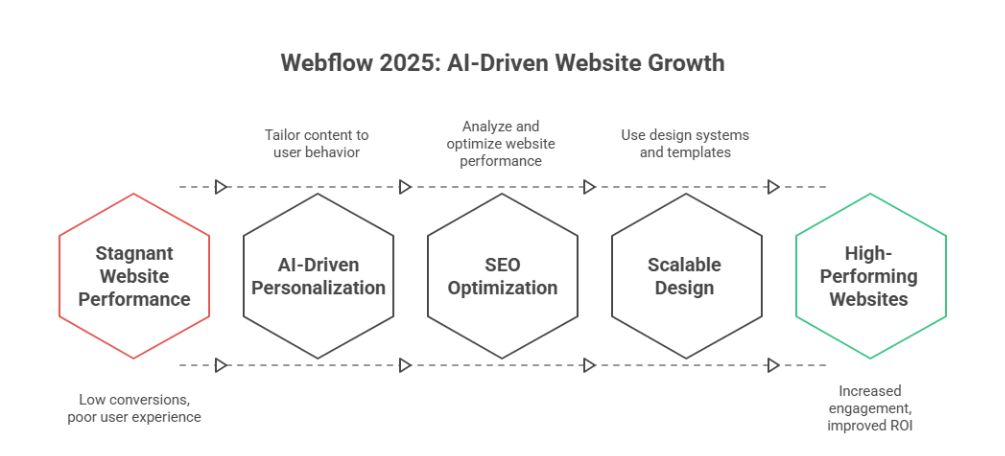
    Businesses should rethink their website in 2026 by focusing on AI-driven optimization, mobile-first responsive layouts, accessible and intuitive navigation, and conversion-focused web design. Prioritizing user experience, personalization, SEO, and real-time performance updates ensures a future-focused website that drives engagement, trust, and long-term growth. 

    Website performance today is influenced by multiple factors: web design quality, clean layout, intuitive navigation, accessibility standards, and a mobile-first, responsive structure that supports real user experience. Professional development goes beyond visuals—it includes scalability, usability, strong typography, and the ability to optimize for search engines and long-term search visibility. Businesses that use AI for personalization, real-time improvements, and smarter optimization are already gaining an edge in conversion and engagement. 

    Many companies hesitate over costs, yet a basic business website often starts around a few hundred dollars, while a professionally planned, conversion-ready build with support and maintenance reflects real business value not just a template. 

    This blog explores what to rethink about website design in 2026, key design trends, how to use AI effectively, and how future-focused decisions improve SEO, usability, and sustainable growth. 

    Rethink website design UX accessibility and navigation 2026 

    As businesses move into 2026 and beyond, the way users interact with websites is evolving rapidly. A modern website must combine good design, intuitive navigation, and inclusive accessibility features to remain competitive. Below are actionable steps to help you rethink your website design and UX strategy for 2026. 

    Step 1: Evaluate Your Current Website Design 

    Start by reviewing your essential website elements. Check layout, typography, color schemes, and template choices. Ask yourself if your current design aligns with web design trends and design trends 2026, and whether it communicates a trust signal to users. If your website isn’t visually appealing or the design feels outdated, it may negatively impact user behavior and long-term growth. 

    Step 2: Prioritize UX and Navigation 

    Next, analyze the UX and navigation structure. Simplify menus, ensure intuitive pathways, and implement clear call-to-actions. Consider mobile-first design and responsive design to accommodate users on any device. Streamlined navigation not only improves usability but also enhances core web vitals and load times, which are essential for SEO and success in 2026. 

    Step 3: Implement Accessibility and Inclusive Design 

    Incorporate inclusive design practices so your website is accessible to all users, including those with disabilities. This includes text alternatives for images, proper heading structures, and color contrast adjustments. Accessibility improves user satisfaction, expands reach for small businesses, and signals professionalism a top website characteristic in any future-ready website strategy. 

    Step 4: Integrate Content and Multimedia Strategically 

    A solid content strategy paired with video or interactive elements enhances engagement. Use video strategy and optimized content placement to guide users naturally through your site. Ensure your template supports this integration without slowing load times, so your website remains both functional and visually appealing. 

    Step 5: Monitor, Test, and Optimize Continuously 

    Finally, a strategy for 2026 must include ongoing monitoring. Track user behavior, test new layouts, and optimize based on performance data. Incorporate AI tools for real-time adjustments to enhance UX, conversion, and long-term growth. Remember, a website isn’t just a digital presence it’s a dynamic asset that must evolve to stay competitive. 

    Mobile-first responsive layout shaping future of web design 

    Adopting a mobile-first responsive layout is no longer optional—it’s essential for businesses looking to stay competitive in 2026. Websites are no longer static, and design is no longer just about aesthetics. Here’s how mobile-first principles are shaping the future of web design: 

    • Built from the ground for mobile users: 
      Websites are built prioritizing mobile devices first, ensuring content is clear, layouts are intuitive, and essential features remain accessible on small screens. This future-focused website approach allows businesses to stay ahead in both UX and digital marketing strategies. 
    • Conversion-focused design: 
      Mobile-first layouts improve usability, load quickly, and streamline user journeys, increasing user trust and driving better business outcomes. By using AI tools and design assistant solutions, businesses can optimize forms, CTAs, and navigation for higher conversion rates. 
    • Core web vitals and SEO-friendly: 
      Optimized mobile layouts enhance core web vitals and SEO-friendly practices, reducing slow load issues and improving search visibility. Proper web hosting and format choices ensure pages perform efficiently across devices. 
    • Accessibility-first design: 
      Prioritizing accessibility ensures your website reaches all users. Features like scalable typography, clear contrast, and intuitive navigation make the site usable for everyone, signaling professionalism and user trust. 
    • Data-driven real-time optimization: 
      Websites must integrate real-time data insights and AI tools to continuously improve performance. Mobile-first responsive designs allow businesses to monitor engagement, test layouts, and adapt quickly to changing user behavior. 
    • Future-ready and scalable: 
      Mobile-first layouts support scalability, allowing websites to evolve alongside new web development trends. Businesses that embrace this approach ensure their sites are conversion-focused, future-focused websites, and prepared for trends to watch in 2026 and beyond. 

    Conclusion 

    As businesses move into 2026 and beyond, rethinking your website is no longer optional it’s a strategic necessity. Prioritizing AI-driven optimization, mobile-first responsive layouts, accessible navigation, and conversion-focused web design ensures your site not only performs but also builds user trust and drives long-term growth. Regularly monitoring core web vitals, optimizing content, and integrating inclusive design practices will keep your website competitive, scalable, and aligned with evolving web design trends. 

    A future-focused website is dynamic, adapting in real-time to user behavior while staying SEO-friendly and supporting your digital marketing strategies. By combining smart design, professional development, and AI-powered enhancements, you can transform your website from a static presence into a core business asset that delivers measurable results. 

    If your website isn’t performing as expected or your design is no longer engaging users effectively, it may be time to rethink your approach for 2026 and beyond. 

    Curious why struggle with an outdated layout when Integriti Studio could help your website stay ahead? Wouldn’t you want to see how your business can fully leverage a future-ready website? 

    Frequently Asked Questions (What Businesses Should Rethink About Their Website In 2026 )

    What are the web trends in 2026?

    Web trends in 2026 include AI-powered personalization, Progressive Web Apps (PWAs), low-code/no-code development, headless CMS, immersive experiences with AR/VR, voice and gesture interfaces, stronger cybersecurity, faster load times, and accessibility-focused design. Websites will be more interactive, adaptive, and optimized for seamless multi-device experiences.

    What three immediate changes would you recommend to improve our website?

    To improve your website immediately, I recommend: 1) optimizing page speed for faster loading and better user experience, 2) enhancing mobile responsiveness and accessibility to reach all users, and 3) updating content with clear CTAs and AI-powered personalization to boost engagement and conversions.

    What is the future of websites?

    The future of websites is AI-driven, interactive, and highly personalized, focusing on seamless user experiences across devices. They will integrate immersive technologies like AR/VR, prioritize accessibility and privacy, use faster, serverless architectures, and leverage automation and data insights to deliver smarter, more adaptive digital experiences.

    What to consider when redesigning a website?

    When redesigning a website, consider user experience, mobile responsiveness, accessibility, and fast load times. Update content for clarity and SEO, simplify navigation, incorporate modern design trends, ensure security, and use analytics to guide decisions. Focus on conversions, brand consistency, and future scalability for long-term impact.

  • How Website Expectations Are Changing Going Into 2026 

    How Website Expectations Are Changing Going Into 2026 

    How Website Expectations Are Changing Going Into 2026 

    Why do some business websites perform flawlessly while others struggle to load, rank, or convert even when built on similar platforms like WordPress? The answer lies in how expectations are evolving from 2025 into 2026. As 2026 approaches, web design is no longer judged only by appearance. In 2026, performance, accessibility, and long-term scalability define success. Businesses entering 2026 must rethink layout decisions, usability standards, and how ai supports smarter automation and optimization. 

    Website expectations going into 2026 focus on speed, accessibility, and intelligent design. Businesses now expect AI-supported web design, inclusive UX, strong Core Web Vitals, and scalable layouts. Performance, usability, and long-term optimization matter more than visuals alone for growth and trust. 

    Professional development matters more in 2026 because search visibility, seo stability, and conversion rates now depend on core web vitals, clean navigation, and a consistent user experience. A new website in 2026 often costs more than in 2025, with typical professional builds ranging from structured entry packages to higher-tier solutions that include ongoing support, workflow refinement, and third-party integrations. That investment reflects real value: inclusive interfaces, assistive technologies, readable font choices, and accessible ux built for every user. 

    This blog explores trends for 2026, future-ready web design choices, accessibility standards, interface planning, and how to optimize performance. You will learn how 2026 web strategies, inclusive design, and assistive considerations shape sustainable digital growth in 2026 and beyond. 

    Web Design Expectations Shifting From 2025 To 2026 

    Step 1: Performance And Purpose Now Drive Design 

    In 2025, visual appeal often led decisions. In 2026 web expectations are different. Websites in 2026 must balance clarity, performance, and intent. Website speed, scalability, and structured layouts are no longer optional they directly impact how search engines evaluate value. These web design trends show that trends aren’t about decoration; they are about results. Every business now expects a new website to support measurable business outcomes, not just look modern. 

    Step 2: Accessibility And Consistency Are Built In 

    2026 web design prioritizes inclusive access as a standard, not an upgrade. Compliance with WCAG influences layout logic, navigation clarity, and readable interfaces across web and mobile. Design systems ensure consistency as websites grow, helping web designers make smarter design choices without sacrificing usability. Accessibility-first thinking is shaping web experiences that work for all users, devices, and assistive needs. 

    Why This Matters Long Term 

    The future of web design focuses on personalization, motion design, and subtle animation supported by ai-powered workflows and ai tools. These digital experiences reflect user behavior and rising user expectations. Development services now emphasize scalability, automation, and personalization to support growth. 

    Step 3: Strategy Over Trends 

    Expect in 2026 a shift toward high-performing platforms built for 2026 and beyond. The design process integrates web design and digital strategy, ensuring websites evolve with upcoming trends rather than chasing the latest trends. This approach defines great web design and keeps website owners competitive in 2026 web environments. 

    2026 Web Design Trends Speed Layout Motion WCAG 

    Speed As A Baseline, Not A Feature 

    In the digital world, speed directly shapes perception. Fast-loading websites are no longer competitive advantages; they are minimum expectations. Performance optimization reduces cognitive load, improves focus, and ensures every interaction feels intentional. When delays occur, accessibility barriers increase and user trust declines. For every visitor, speed is the first signal of quality and credibility. 

    Layout Decisions That Reduce Friction 

    Modern layouts focus on clarity, hierarchy, and flow. Poor structure creates accessibility issues, while thoughtful spacing, text size, and visual balance improve readability across devices. These practical shifts reflect how users scan content in real time, especially on web and mobile. Intelligent systems now adapt layouts using real-time data, creating experiences that feel responsive rather than rigid. 

    Motion With Purpose, Not Distraction 

    Motion supports understanding when used responsibly. Subtle transitions and guided animation can reduce confusion without increasing cognitive load. However, excessive movement creates accessibility barriers and risks legal exposure, especially under european accessibility standards. 

    WCAG As A Business Requirement 

    Designing to WCAG helps future-proof digital products and protect business outcomes. Smarter tools, including ai-assisted workflows and platforms like chatgpt, support compliance testing and continuous improvement. Learning from 2026 and learn cycles ensures inclusive, fast, and reliable experiences built for long-term growth. 

    Conclusion 

    Website expectations going into 2026 are no longer driven by visuals alone. Speed, accessibility, scalability, and intelligent systems now define whether a website succeeds or silently fails. As seen throughout this blog, performance optimization, WCAG compliance, thoughtful layout, and purposeful motion directly influence user trust, search visibility, and long-term business outcomes. Businesses that treat web design as a strategic asset—rather than a one-time project—are better prepared for evolving user behavior, stricter accessibility standards, and rising competition. 

    Moving into 2026 and beyond, sustainable growth depends on future-proof decisions, professional development, and continuous optimization. A high-performing website is built through informed strategy, not shortcuts, and reflects a clear understanding of both users and technology. 

    if your website is expected to do all this in 2026, shouldn’t you be talking to Integriti Studio already? 

    Frequently Asked Questions (How Website Expectations Are Changing Going Into 2026)

    What are the web development trends for 2026?

    AI‑powered dev tools, Progressive Web Apps (PWAs), low‑code/no‑code platforms, Web3 & blockchain, serverless/edge architecture, WebAssembly for high performance, headless CMS, stronger cybersecurity & privacy‑first design will shape web development in 2026.

    What is the future of websites?

    The future of websites is AI-driven, highly personalized, and mobile-first, focusing on seamless user experiences, faster load times, and accessibility. Websites will integrate immersive technologies like AR/VR, leverage headless architecture, and prioritize privacy and security, making them smarter, more interactive, and adaptable to user needs.

    How have websites changed over the years?

    Websites have evolved from simple, static pages to dynamic, interactive platforms. Early designs focused on basic information, while modern sites emphasize user experience, mobile responsiveness, AI personalization, accessibility, and fast performance. Today, websites serve as powerful tools for engagement, conversion, and brand storytelling.

    What are the UI trends in 2026?

    UI trends in 2026 focus on immersive experiences, AI-powered personalization, and minimalistic yet dynamic designs. Expect dark mode, neumorphism, micro-interactions, voice and gesture navigation, advanced animations, and accessibility-first layouts. Designers will prioritize intuitive interfaces that adapt seamlessly across devices while enhancing user engagement and satisfaction.

  • Is Your Website Ready for 2026? Here’s How to Tell

    Is Your Website Ready for 2026? Here’s How to Tell

    Is Your Website Ready for 2026? Here’s How to Tell

    Why do some websites convert better than others, even when built on the same platform? The answer often lies in subtle performance factors page speed, navigation, responsive layout, accessibility, and how well the site interacts with search engines. Without careful attention to these details, your website might fail to capture leads or deliver a meaningful booking experience.

    Your website is ready for 2026 if it delivers fast, mobile-first navigation, optimized SEO, accessible layout, clear CTAs, and integrates AI tools to enhance conversion. Regular refreshes, professional development, and analytics monitoring ensure your site stays competitive, engaging, and capable of meeting evolving business and user needs.

    Professional development, ongoing support, and smart design choices provide real value beyond aesthetics. A well-planned homepage, clear headings, and strategically placed CTAs guide visitors toward action, while robust analytics help measure success and optimize performance. Integrating AI tools can further enhance personalization and conversion, ensuring your site adapts to user behavior and emerging trends. Even small upgrades or a targeted refresh can dramatically improve engagement, often with costs that fit typical small business budgets for redesign or optimization.

    This blog will show you how to assess whether your website is truly ready for 2026, explore practical ways to boost SEO, mobile experience, and conversion, and guide you through improvements to plugins, layout, and design elements. By the end, you’ll understand exactly what it takes to get your website performing at its peak next year.

    How to Know if Your Website Ready for 2026

    To determine if your website is truly website ready for 2026, it’s essential to evaluate performance, user experience, and adaptability to emerging trends like AI tools. A proper assessment ensures your site meets user expectations, maintains strong search rankings, and supports business growth in a rapidly evolving digital landscape.

    Conduct a Comprehensive Website Audit

    A website audit is the foundation of understanding whether your site isn’t ready or needs improvements. Key checks include core web vitals, pages load speed, and mobile experience. This step also verifies your site secure protocols and plugin efficiency to maintain reliability.

    Evaluate User Experience and Conversion Elements

    Assess how visitors interact with your homepage, landing pages, and service pages. Clear calls to action (CTAs), intuitive navigation, and streamlined mobile layout improve UX and conversion. Leveraging AI-driven personalization further enhances engagement and ensures your site can adapt to changing visitor behavior.

    Assess SEO, Content, and Structured Data

    Optimizing content for search engines, refreshing outdated pages, and implementing structured data improves visibility. Using search and AI tools or AI-powered search helps users find information faster and boosts your 2026 website’s performance in search results.

    Decide if a Refresh or Full Redesign is Needed

    Based on your audit, determine whether a minor refresh your website for 2026 is sufficient or a full redesign is required. Following a practical checklist ensures your site is optimized for the year ahead, delivering seamless mobile-first experiences, improved usability, and measurable business growth 2026 and beyond.

    Refresh Mobile-First Design and SEO for Website 2026

    With the digital landscape evolving faster than ever, ensuring your website is optimized for mobile and search is no longer optional. Users increasingly browse on mobile devices, and a slow or cluttered site can reduce web traffic, engagement, and conversion rates. A mobile-first design paired with updated SEO ensures your site is future-proof, fast, and aligned with modern user expectations.

    Step 1: Evaluate Mobile-First Performance

    The first step is to assess how your website performs on mobile. Your site is often judged by mobile users first, so the mobile layout must provide a smooth, intuitive experience. Check how quickly your content loads on different devices and ensure the site feel is consistent across screens. If your site is slow, consider optimizing images, reducing heavy plugins, or refining navigation. Analyzing how users interact on mobile helps you identify friction points and reduce risk of visitors leaving before engaging with your calls to action (CTAs).

    Step 2: Refresh SEO for 2026

    Next, review your site’s SEO to make sure it helps search engines understand your content and rank your pages effectively. Update site content, headings, and metadata to reflect current trends and integrate structured data to improve visibility in search results. Using AI tools or ai-generated insights can further optimize content for relevancy and search and AI performance. Regular SEO updates, even without a full redesign every few years, ensure your 2026 website remains competitive and discoverable.

    Step 3: Align Mobile-First Design and SEO

    Finally, ensure that your mobile-first layout and SEO work together. A modern design that adapts to mobile devices while maintaining strong SEO improves the site feel, enhances user experience, and supports higher conversion rates. Continuously monitor analytics, page speed, and usability to adapt as trends evolve. Even small adjustments to your site content or layout can make a big difference, helping your business today stay competitive and future-proof your website for 2026 and beyond.

    Conclusion

    Ensuring your website is truly ready for 2026 requires a careful balance of performance, design, and strategy. From conducting a thorough website audit to optimizing mobile-first navigation, refreshing SEO, and leveraging AI tools, every step helps enhance user experience, boost conversion, and maintain strong search rankings. Regular refreshes, professional development, and continuous monitoring ensure your site adapts to changing trends, stays competitive, and delivers measurable results for your business today and in the future.

    A thoughtful approach to layout, site content, and calls to action (CTAs) can make a big difference, turning casual visitors into engaged users. Even minor updates, when guided by analytics, improve web traffic, usability, and the overall site feel, keeping your website future-proof in a digital landscape evolving faster than ever.

    Do you know how Integriti Studio could transform your website into a 2026-ready powerhouse?

    Frequently Asked Questions (Is Your Website Ready for 2026? Here’s How to Tell)

    How can you tell if a website is up to date?

    You can tell if a website is up to date by checking its content freshness, blog or news updates, design trends, and functional features. Look for recent dates, responsive layout, fast loading speed, security certificates (HTTPS), and compatibility with modern devices and browsers.

    What are the 7 C’s of a website?

    The 7 C’s of a website are Context, Content, Community, Customization, Communication, Connection, and Commerce. They ensure a website is user-friendly, engaging, and effective by focusing on layout, relevant information, interaction, personalization, feedback, linking with other sites, and facilitating transactions.

    What is the 3 second rule in web design?

    The 3-second rule in web design states that a website must load and clearly communicate its purpose within three seconds. If users don’t quickly understand the value or experience delays, they are likely to leave, making fast performance, clear messaging, and intuitive design essential.

    Do you still need a website in 2026?

    Yes, a website is still essential in 2026. It acts as a business’s digital hub, builds credibility, supports AI-driven personalization, boosts SEO, and enhances user trust. Even with social media and marketplaces, a website ensures control over branding, conversions, and long-term growth.

  • The Website Upgrades Worth Making Before 2026

    The Website Upgrades Worth Making Before 2026

    The Website Upgrades Worth Making Before 2026

    Why do some websites convert better than others despite similar platforms and content? The difference often comes down to performance factors that go beyond mere aesthetics. Website speed, intuitive navigation, responsive layouts, and seamless integration with search engines all play a pivotal role in keeping visitors engaged and driving conversions. Without professional development and ongoing support, even a beautifully designed site can fail to meet its business goals.

    To prepare your website for 2026, focus on a full redesign or targeted upgrades that improve speed, mobile-first navigation, and conversion-focused layouts. Integrate AI tools, optimize for search engines, enhance trust signals, and ensure professional development and maintenance to boost performance, user experience, and long-term business success.

    Investing in a full redesign or targeted web design upgrades can significantly improve user experience and conversion rates. Professional agencies not only optimize your site’s layout and navigation but also ensure your website meets 2026 standards, from mobile-first performance to AI-driven personalization. Typical small business budgets for such upgrades can range from a few thousand dollars for a partial redesign to higher investments for comprehensive solutions well worth it when the result is a site that truly performs.

    This blog will explore the website upgrades worth making before 2026, including redesign strategies, conversion-focused enhancements, SEO considerations, AI integration, and practical steps to align your homepage and overall layout with the top web design trends for 2026. By the end, you’ll understand how smart decisions today can secure long-term success.

    Key Web Design Trends for 2026 Businesses

    Mobile-First Design Prioritize User Experience

    Designing for mobile first ensures your website is fast, easy to navigate, and visually appealing on all devices. Mobile-first sites improve user experience, reduce bounce rates, and increase engagement, making it easier for small businesses to capture leads and drive conversions.

    Conversion-Focused Layouts Drive Measurable Results

    A conversion-focused layout guides visitors toward desired actions through clear trust signals, compelling CTAs, and intuitive navigation. Personalization and strategic design increase the chances visitors take meaningful actions, directly impacting business growth.

    Full Redesigns with Modern Features

    Outdated websites can hurt credibility and performance. A full redesign aligns your site with web design trends for 2026, modernizes its look, improves usability, and integrates tools like CRM and automation to enhance user experience and efficiency.

    Speed and Performance Optimize Load Time

    Fast-loading websites are essential in 2026. Optimizing website speed ensures pages load fast, improves user satisfaction, and boosts search engine rankings. Slow sites risk losing potential customers before they even explore your offerings.

    Personalization and AI-Driven Experiences

    Personalized experiences make your site more relevant and engaging. Leveraging AI search and user behavior data allows small businesses to show targeted content, improving the likelihood visitors convert into loyal customers.

    Updating Your Website Stay Competitive

    Regularly updating your website ensures it aligns with design trends for 2026, maintains trust signals, and keeps the site fast and user-friendly. Staying current helps small business websites remain competitive and deliver measurable results over time.

    Conversion-Focused Landing Pages Enhance Engagement

    Well-designed landing pages capture attention and guide visitors toward action. By focusing on clarity, trust signals, and personalization, landing pages help small businesses convert traffic into leads efficiently.

    Checklist Approach Keep Your Site Aligned

    Using a checklist ensures your website covers all critical areas, from mobile-first design and website speed to conversion-focused layouts and personalization. This structured approach keeps your site aligned with web design trends for 2026 and helps it perform effectively.

    Redesign Strategies Boost Conversion and Trust Signals

    Redesigning a website is more than just a visual upgrade—it’s a strategic opportunity to guide users, strengthen credibility, and enhance conversions. When done right, it can directly impact a business’s bottom line, improve google rankings, and help businesses grow in competitive markets.

    Prioritize User Experience and Navigation

    A clear and intuitive navigation system is non-negotiable for websites aiming to convert visitors. Users should be able to find important pages without confusion. Poor navigation can increase bounce rates and reduce trust.

    • Simplified menus and layout: Avoid clutter and generic templates that dilute your brand message. A clean, organized menu ensures users spend more time exploring your site.
    • Guide users through visual cues: Use buttons, banners, and links to direct users to high-priority content or sales tools.
    • Footer optimization: Many businesses overlook the footer, yet it’s an ideal place for links to related articles, contact details, and social proof.

    Mobile Optimization and Performance

    With a growing share of mobile traffic, a redesign must focus on speed and responsiveness to maintain credibility and engagement.

    • Compress images and assets: Avoid low-quality visuals that slow down loading times. Professional photography can enhance perceived value while maintaining performance.
    • Monitor uptime and site performance: Consistent uptime is critical. Downtime undermines trust and affects indexing for on-page SEO efforts.
    • Streamlined development: Limit unnecessary plugins that can conflict with performance or introduce security risks.

    Enhance Visual Trust Signals

    Visual elements significantly influence whether a visitor trusts your business enough to convert.

    • Professional photography: High-quality visuals make your brand feel legitimate and approachable.
    • Consistent branding and layout: A cohesive design across all-important pages and the footer builds trust and reassures visitors they are in the right place.
    • Highlight awards, reviews, and certifications: Social proof communicates reliability, helping your website gain ground over competitors.

    On-Page SEO and Conversion Alignment

    Redesigns are the perfect opportunity to integrate SEO with conversion-focused design.

    • On-page structure: Use headings, meta tags, and keyword-rich content to improve google rankings.
    • Internal linking: Include related articles to keep users engaged and improve indexing.
    • Strategic CTAs: Position sales tools and sales pitch elements where they are likely to convert, increasing ROI.

    Tools and Integrations That Support Growth

    Integrating the right solutions can make a website more functional and conversion-friendly.

    • All-in-one platforms: Consider solutions that combine hosting, analytics, and marketing tools to manage your online presence efficiently.
    • Sales automation tools: Automating follow-ups and forms ensures leads don’t slip through, helping businesses grow without increasing ad spend.
    • Local search optimization: Enhances visibility for location-based searches, which is especially useful for small and medium businesses.

    Continuous Testing and Improvement

    Redesign is not a one-off project; it’s an ongoing strategy.

    • A/B testing of key pages: Evaluate layouts, color schemes, and CTA placement to find what is likely to convert best.
    • User behavior tracking: Tools like heatmaps reveal friction points and highlight areas where users drop off.
    • Feedback loops: Gathering user insights ensures that your website continues to build trust and adapt to evolving expectations.

    Conclusion

    Preparing your website for 2026 is no longer optional it’s essential for businesses aiming to stay competitive, engage users effectively, and drive measurable growth. Strategic redesigns and targeted website upgrades enhance performance, improve mobile traffic experiences, and strengthen trust signals, ensuring visitors are more likely to convert. By focusing on conversion-focused layouts, on-page SEO, AI-driven personalization, and reliable development services, businesses can guide users through their site seamlessly while maximizing ROI.

    Investing in professional development, integrating all-in-one tools, optimizing important pages, and continuously testing key elements ensures your website not only looks modern but also performs at its peak. From compressing images to using professional photography, optimizing footers, and linking related articles, every detail contributes to building credibility and helping businesses grow.

    In short, smart website upgrades today from full redesigns to focused enhancements position your online presence to gain ground, convert visitors, and achieve long-term success in 2026 and beyond.

    Are you ready to see how Integriti Studio can make your website truly perform?

    Frequently Asked Questions (The Website Upgrades Worth Making Before 2026)

    What is the future of websites?

    The future of websites will focus on speed, AI-driven personalization, and seamless user experience. Accessibility, mobile-first design, and strong trust signals will be essential. Businesses will rely on adaptive, data-informed websites that convert effectively, integrate emerging technologies, and remain flexible for evolving trends and user expectations.

    What is the trend in digital marketing in 2026?

    In 2026, digital marketing will shift towards AI-powered personalization, voice and visual search, and immersive experiences like AR/VR. Data-driven strategies, influencer collaborations, and interactive content will dominate, while privacy-conscious targeting and automation will ensure higher engagement, conversions, and long-term customer loyalty.

    What is the 3 second rule in website design?

    The 3-second rule in website design states that a website must capture a visitor’s attention and clearly communicate its purpose within three seconds. If users don’t understand or engage immediately, they are likely to leave, impacting bounce rates and overall conversion.

    What are the 7 C’s of a website?

    The 7 C’s of a website are Content, Context, Customization, Communication, Connection, Commerce, and Community. These elements ensure a website is informative, user-friendly, engaging, interactive, and capable of building relationships, driving transactions, and fostering a loyal audience while supporting business goals effectively.

  • What 2026 Will Demand From Business Websites

    What 2026 Will Demand From Business Websites

    What 2026 Will Demand From Business Websites

    Why do some business websites scale smoothly while others struggle to keep up with growth, traffic, and customer expectations? The answer often lies beneath the surface in how well a business website is built to support evolving business needs. As 2026 approaches, performance gaps are becoming more visible, especially when accessibility, seo, navigation clarity, and technical optimization are treated as afterthoughts rather than foundations.

    In 2026, business websites must deliver speed, accessibility, and trust-driven experiences. Strategic structure, strong SEO foundations, clear navigation, and conversion-focused design will be non-negotiable. Businesses that invest in professional development and ongoing optimization will outperform competitors and adapt faster to changing user expectations.

    A professionally developed business website is no longer just about appearance. Strong web design, a clear layout, and purposeful structure influence trust, conversion, and how search engines evaluate relevance. Elements such as social proof, a credible testimonial, and well-placed signals of reliability directly affect how users respond whether on a homepage, landing pages, or within e-commerce flows. Even a simple audit often reveals why sites built for short-term savings struggle long term, while those planned for 2026 continue to perform.

    Many small businesses discover this when comparing costs: a basic setup may start around a few hundred dollars, but strategic development, ongoing support, and maintenance reflect real value and measurable returns.

    This blog explores what 2026 will demand from every business website covering structure, performance, integration decisions, real-world case studies, and how smart planning today protects growth tomorrow.

    SEO calls to action aligning business goals in 2026

    In 2026, SEO-driven calls to action are no longer optional enhancements they are non-negotiable components of a high-performing digital strategy. For small businesses, success depends on how well search visibility connects with clear intent and measurable outcomes.

    Step 1: Define Business Goals Before SEO Execution

    Every effective strategy begins with clarity. SEO must be aligned with defined business goals, whether that is lead generation, service inquiries, or product discovery. Without this alignment, even strong rankings fail to deliver value. Strategic business website design ensures that search traffic is guided toward meaningful actions, not dead ends.

    Step 2: Design SEO-Focused User Journeys

    Modern website design must support structured navigation and intent-based content flow. Pages should be built to guide users naturally from discovery to decision, supported by visible trust signals that reinforce credibility at every stage.

    Step 3: Create Conversion-Driven Calls to Action

    In 2026, a website in 2026 must anticipate intent. Calls to action should be contextual, concise, and aligned with user expectations helping visitors take the next step without friction.

    Step 4: Measure and Refine Performance

    Ongoing review of engagement and outcomes ensures that business website design continues to support growth, performance, and long-term scalability.

    AI-driven business website design meeting 2026 accessibility trust signals

    Aligning AI Intelligence With Business Goals

    In 2026, effective website design must directly support clearly defined business goals. AI-driven insights help analyze user behavior, intent, and engagement patterns, allowing design decisions to be based on real data rather than assumptions. This ensures the website functions as a performance-driven asset, not just a visual presence.

    Accessibility as a Non-Negotiable Design Standard

    Accessibility is no longer optional it is non-negotiable in 2026. Websites must be usable for all visitors, regardless of ability or device. Clear structure, readable content, and predictable interactions improve usability while reinforcing strong trust signals that reflect professionalism and reliability.

    Building Trust Signals Through Consistent Design

    Visitors form trust within seconds of landing on a website. Consistent layouts, transparent messaging, and thoughtful design choices create recognizable trust signals that reduce hesitation. These elements signal credibility and help users feel confident engaging with the business.

    Optimizing Calls to Action With AI Insights

    AI helps identify where users hesitate and where they are ready to act. By placing calls to action in the right context and refining calls to action based on behavior data, businesses guide users toward meaningful engagement. Well-optimized calls to action ensure design efforts translate into measurable outcomes.

    Conclusion

    As the bar keeps rising, a successful website in 2026 can no longer function as a digital brochure. Customers expect fast, accessible, and meaningful digital experiences that support real business outcomes. For small business owners, this means moving beyond drag-and-drop website builders or an ai builder and reassessing the current website through a clear framework focused on website performance, load times, and user experience across smaller screens.

    Modern website features must support mobile-first behavior, strong SEO rankings, and clear navigation that helps visitors cut through the noise when they visit a website. Whether built like WordPress or Shopify, or delivered through custom builds, the focus must remain on conversion rates, reducing bounce rate, and strengthening online presence through client testimonials and social credibility.

    Businesses that stay ahead invest in accessible websites, smart digital marketing integration, and scalable systems that align technology with long-term growth not short-term savings.

    Curious how your business website stacks up for 2026 why not contact Integriti Studio and see where improvements can boost your results?

    Frequently Asked Questions (What 2026 Will Demand From Business Websites)

    What will be trending in 2026?

    In 2026, major trends will include AI integration everywhere (autonomous agents, smart tools), sustainable and tech‑infused fashion, immersive AR/VR experiences, wellness‑focused lifestyles, and calming, nature‑inspired design aesthetics. People will value personalization, slow living, and meaningful creativity over flashy fads.

    What are the business trends in 2026?

    In 2026 business trends, companies will focus on AI‑driven decision‑making and autonomous workflows, hybrid/remote work evolution, sustainability as core strategy, hyper‑personalization at scale, and agility in leadership. Digital transformation, automation, cloud adoption, and cybersecurity will also shape competitive advantage.

    What is the future of websites?

    The future of websites will focus on AI-powered personalization, faster load times, and immersive experiences with AR/VR. Accessibility, mobile-first design, and seamless navigation will be standard, while automation, data-driven insights, and interactive content will drive engagement, conversions, and long-term business growth.

    What business should I start in 2026?

    In 2026, profitable businesses include AI-powered services, sustainable products, e-commerce with niche personalization, health and wellness solutions, and digital education platforms. Opportunities also lie in green tech, smart home innovations, remote work tools, and experiential entertainment, focusing on emerging consumer needs and future-ready markets.

  • After 2025 How Website Expectations Changed for Growing Businesses

    After 2025 How Website Expectations Changed for Growing Businesses

    After 2025 How Website Expectations Changed for Growing Businesses

    Why do some websites outperform others while looking similar on the surface? The answer often lies in the nuanced factors influencing website performance speed, seamless navigation, user experience, and the ability to resonate with your audience. By 2025, growing businesses can no longer rely on generic templates or minimal maintenance. Professional development, thoughtful design, and ongoing support have become essential to not only enhance functionality but also to ensure your online presence truly reflects your brand.

    After 2025, website expectations for growing businesses shifted dramatically. Companies now prioritize seamless user experience, AI-driven personalization, accessibility, and performance optimization. A strong online presence requires professional development, ongoing maintenance, and design that resonates with users, enhancing engagement, conversions, and long-term business growth in an increasingly competitive digital landscape.

    Investing in quality website design and maintenance delivers tangible value. Even a small upgrade like AI-driven personalization or subtle animation can significantly improve engagement and conversion. Professional agencies often offer tiered pricing starting from modest monthly retainers to comprehensive packages covering design, optimization, and SEO enhancements, making growth-focused websites accessible at every stage.

    This blog will explore how website expectations evolved after 2025, highlighting the importance of accessibility, AI-driven tools, user behavior analysis, and personalization. You’ll discover practical strategies to build websites that prioritize performance, enhance user experience, and deliver measurable results, ensuring your business stays ahead in an increasingly competitive digital landscape.

    The Secret to User Experience Everyone Misses

    Step 1: Prioritize Usability in Website Design

    Modern websites must meet high usability standards. Focus on intuitive navigation, clear call-to-actions, and organized content structure. Websites are no longer just visual they must create digital experiences that resonate with potential customers and enhance business growth.

    Step 2: Optimize Website Performance

    Websites load speed is critical. In 2025, modern websites need to load in under 2 seconds across devices. Use website optimization techniques, compressed images, and streamlined code to deliver seamlessly fast experiences that retain visitors.

    Step 3: Integrate AI-Powered Tools

    Businesses are adopting ai-powered solutions like ai chatbots for instant engagement and personalized interactions. These digital experiences improve user expectations and create a more impactful journey for small businesses, startups, and B2B companies.

    Step 4: Leverage Analytics for Personalization

    Track user behavior through analytics to make informed design decisions. Tailor short-form content, recommendations, and messaging to audience preferences. Personalization helps build websites that resonate and provide a competitive edge.

    Step 5: Focus on Scalability and Future-Proofing

    Web development should be scalable. Plan for growth, include modern websites need features like animation, accessibility, and seamless workflow. This ensures your website in 2025 evolves with your digital business and supports long-term business growth.

    Step 6: Keep UX a Top Priority

    For business owners, user experience is top priority. Combining website optimization, performance, personalization, and inclusive design creates websites that adapt, enhance engagement, and strengthen your online presence.

    Why Websites in 2025 Are Nothing Like Before

    Websites in 2025 have evolved far beyond static pages or simple landing designs. Many businesses are now leveraging ai-driven tools and ai-driven personalization to create highly personalized, interactive, and app-like digital experiences. Understanding these shifts is critical if you want to enhance user engagement and maximize ROI in the modern digital landscape.

    Key Shifts in Website Design and Functionality

    • AI-Driven Personalization: Modern websites use ai-driven personalization to tailor content and recommendations based on younger audiences or user behavior, improving click-through rates and customer engagement.
    • Faster Load Times: With faster load times now a baseline expectation, new websites are optimized to quickly and easily deliver content across devices, including mobile experiences.
    • App-Like Experiences: Websites now feel app-like, offering smooth interactions, motion design, and well-structured layouts that drive action.

    Accessibility and Inclusivity Evolved

    • Accessibility is no longer optional sites are designed to work with screen readers and meet global standards.
    • Platforms that support accessibility ensure your digital landscape reaches wider audiences, creating customer engagement opportunities that traditional design missed.
    • Inclusive design also improves SEO and aligns with modern marketing campaigns.

    Integration of AI and Generative Tools

    • AI tools now integrate seamlessly with websites to automate content updates, search optimization, and ai-driven personalization.
    • Generative AI allows for rapid content creation, reducing the time required for design updates while maintaining consistency.
    • Businesses using AI gain a competitive edge, enabling strategic vision and marketing expert insights to drive action.

    Challenges and Opportunities

    • Challenges and opportunities coexist: while AI and personalization increase engagement, well-structured implementation is crucial to avoid complexity.
    • Maintaining relevance means sites must stay fresh and anticipate younger audiences’ expectations.
    • Traditional search is being augmented by AI-driven recommendations, reshaping digital marketing campaigns and click-through rates.

    Conclusion

    After 2025, website expectations for growing businesses have shifted from purely visual design to highly interactive, personalized, and performance-driven digital experiences. Success now depends on combining seamless usability, faster load times, and AI-driven tools with thoughtful website design and ongoing professional development.

    Websites are no longer static pages they must enhance user engagement, adapt across devices, and integrate analytics to inform personalization and strategic decisions. Accessibility and inclusivity have become essential, ensuring your digital landscape reaches all audiences while improving SEO and customer trust.

    For business owners, investing in scalable, app-like, and AI-enabled websites is no longer optional. Prioritizing user experienceperformance optimization, and AI-driven personalization provides a competitive edge, drives action, and supports long-term business growth. By understanding these shifts and implementing best practices, you can ensure your website resonates with your audience, stands out in the market, and delivers measurable results in the ever-evolving digital world.

    So, if your current website isn’t enhancing user experience or leveraging AI-driven personalization, the real question is—are you ready to contact Integriti Studio and transform it today?

    Frequently Asked Questions (After 2025 How Website Expectations Changed for Growing Businesses)

    What are the new website design trends 2025?

    In 2025, website design trends focus on AI-powered personalization, minimalist layouts, and immersive features like 3D elements and micro-interactions. Emphasis on accessible, responsive design, faster performance, and ethical, sustainable practices ensures users can find information quickly while enjoying engaging, modern, and personalized digital experiences.

    Which business model is expected to gain more popularity by 2025?

    By 2025, subscription-based business models are expected to gain more popularity. They provide predictable revenue, foster long-term customer relationships, and integrate seamlessly with digital platforms and AI-driven personalization. This model benefits both businesses and users by offering continuous value, convenience, and scalable growth opportunities.

    What is the best way to build a website in 2025?

    The best way to build a website in 2025 is by combining no-code platforms like Webflow with AI-powered tools for design, personalization, and optimization. Prioritize fast load times, responsive layouts, user experience improvements, and ongoing website audits to ensure scalability, performance, and long-term business growth.

    What are the key business trends in 2025?

    Key business trends in 2025 include AI-driven automation, no-code and low-code solutions, and personalized digital experiences. Companies are focusing on sustainability, subscription-based models, and data-driven decision-making to enhance customer engagement, optimize operations, and maintain a competitive edge in an increasingly fast-paced, technology-driven digital landscape.

  • What webflow’s 2025 Growth Signals About The Future of No-Code

    What webflow’s 2025 Growth Signals About The Future of No-Code

    Why do some websites perform flawlessly while others struggle to load, scale, or convert despite using similar tools? The answer often lies in the choices you make around web development, not just the platform itself. In 2025, businesses are rethinking heavy coding, bloated plugins, and fragile setups that slow growth. This shift is placing webflow at the center of conversations about efficiency, performance, and long-term control.

    Webflow’s growth in 2025 signals a clear shift toward no-code as a serious web development solution. Businesses want speed, scalability, and control without heavy coding. Webflow bridges design and development, proving no-code platforms are shaping the future of professional, performance-driven websites.

    Website performance is influenced by many factors: clean structure, optimized design, reliable integrations, and ongoing maintenance. Without professional development, even well-designed websites can fail to deliver results. Investing in strong architecture, thoughtful design systems, and expert support ensures stability, scalability, and measurable ROI. While a basic build may start around a few hundred dollars, high-performing websites require strategic planning, customization, and long-term upkeep.

    The growth of webflow in 2025 signals more than popularity—it reflects how businesses are adopting a mature no-code approach without sacrificing quality. As a leading no-code platform, webflow empowers teams to build faster while maintaining precision and flexibility in an evolving digital economy.

    This blog explores what webflow’s momentum in 2025 reveals about modern no-code adoption, how it compares to traditional approaches, and how you can prepare for smarter, future-ready growth.

    Webflow vs Competitors in 2025 Preparing Web Development Future

    Webflow vs Competitors in 2025 Preparing Web Development Future

    Understanding the Competitive Shift

    The web development landscape is changing rapidly, and webflow in 2025 clearly reflects this shift. Traditional tools and generic builders are no longer enough for modern businesses. The rise of no-code platforms shows how companies now prioritize speed, flexibility, and maintainability over complex setups. This marks a defining moment in the future of no-code, where platforms are evaluated on real performance not just ease.

    Webflow Compared to Other No-Code Platforms

    Many no-code platforms offer simplicity, but they often limit customization and scalability. As a website builder, Webflow stands apart by supporting structured website development without sacrificing control. Unlike platforms that rely on rigid templates, platforms like Webflow enable teams to scale confidently, aligning better with web development in 2025 expectations and broader development in 2025 trends.

    Why Agencies and Businesses Choose Webflow

    From an agency perspective, use Webflow means efficiency across the entire development process. Webflow supports advanced design systems, making collaboration smoother and future updates easier. Webflow provides the flexibility to build high-quality web applications and marketing sites alike, which is why Webflow leads much of the modern no-code web development movement.

    Preparing for the Future

    For a small business owner, choosing the right platform is critical. The rise of no-code is not about shortcuts—it’s about smarter delivery. As web development in 2025 evolves, Webflow positions itself as a long-term solution that prepares businesses for scalable growth, evolving demands, and the future of digital experiences.

    Why Businesses Use Webflow Over Coding WordPress in 2025

    • Webflow stands as a modern alternative to heavy traditional development, reducing dependency on manual coding workflows.
    • Unlike wordpress in 2025, Webflow enables teams to build fully functional websites without code or a single line of code.
    • Webflow empowers non-technical users and teams with little or no technical background to manage and scale sites confidently.
    • Built-in responsive design tools ensure consistent performance across devices without extra plugins.
    • Compared to many competitors in 2025, Webflow offers faster execution, cleaner structure, and fewer maintenance risks.
    • The platform supports complex projects while still simplifying building a website from design to launch.
    • As part of the broader no-code evolution, Webflow is actively shaping the future of how businesses approach digital growth.
    • This makes Webflow a strong choice for companies preparing for the future of web platforms and long-term scalability.

    Conclusion

    Webflow’s growth in 2025 clearly reflects how businesses are redefining web development priorities. Performance, scalability, and long-term control now matter more than relying on heavy coding or fragile plugin-based systems. As a mature no-code platform, Webflow allows companies to move faster, maintain design consistency, and adapt to changing digital demands without compromising quality.

    When compared with competitors and traditional platforms like WordPress, Webflow stands out for its structured approach, cleaner development process, and ability to support complex, future-ready projects. This shift is not about avoiding expertise—it’s about investing in smarter tools, professional execution, and sustainable growth. Businesses that choose platforms aligned with these values are better positioned to scale, optimize, and compete in an evolving digital landscape.

    If your website is critical to growth, the real question is not whether to adopt modern platforms—but how well they are implemented.

    Is your current website strategy strong enough, or is it time to talk to Integriti Studio and rethink it?

    Frequently Asked Questions (What webflow’s 2025 Growth Signals About The Future of No-Code)

    What is the future of webflow?

    Webflow’s future in 2025 is strong, evolving as a no‑code, AI-enhanced platform that enables fast, scalable, and high-performance websites. With AI tools, enterprise capabilities, and flexible integrations, Webflow helps businesses and creators build, optimize, and maintain websites efficiently while bridging no-code and traditional development workflows.

    What is the future of no-code platforms?

    The future of no-code platforms is rapidly expanding, driven by AI integration and increased demand for fast, scalable, and customizable digital solutions. These platforms enable businesses and creators to build websites, apps, and workflows efficiently, reducing reliance on traditional coding while supporting innovation, automation, and faster time-to-market.

    Should I learn Webflow in 2025?

    Yes, learning Webflow in 2025 is valuable. As a no-code, AI-enhanced platform, it enables you to build responsive, high-performance websites without extensive coding. Mastering Webflow enhances your career opportunities, supports efficient web development, and prepares you for the growing demand for scalable, modern web solutions.

    Is web development still relevant in 2025?

    Yes, web development remains highly relevant in 2025. Despite the rise of no-code and AI-powered platforms, skilled developers are essential for creating custom, scalable, and secure websites, optimizing performance, integrating advanced features, and ensuring a superior user experience that meets evolving business and technological demands.

  • Why Websites Built In 2025 Are Aging Faster Than Before

    Why Websites Built In 2025 Are Aging Faster Than Before

    Why Websites Built In 2025 Are Aging Faster Than Before

    Why do some websites built in 2025 already feel outdated while others continue to perform flawlessly? The answer often lies in subtle factors influencing website performance from load times and mobile devices compatibility to proper content delivery via content delivery networks and clean HTML coding. Even a modern website can age quickly if these fundamentals are overlooked.

    Websites built in 2025 are aging faster due to rapidly evolving AI, user experience, and optimization standards. Outdated content, slower load times, and lack of ongoing audits or professional maintenance reduce website performance and search engine visibility, making regular updates essential to sustain engagement and conversions.

    Professional development and ongoing maintenance are essential to keep your online presence competitive. Thoughtful website design, regular audits, and optimization ensure your site not only functions efficiently but also provides a superior user experience that resonates with your audience. Investing in high-quality design, support, and maintenance whether through tiered service packages or comprehensive plans can significantly enhance performance and long-term ROI. Small upgrades, such as AI-driven tools or lightning-fast content delivery, can have an immediate impact on engagement and conversions.

    This blog will explore why websites built in 2025 are aging faster than expected, highlighting the role of AI, evolving user experience expectations, optimization, and search engine requirements. You’ll also discover actionable strategies and audits to ensure your current website remains competitive and future-proof.

    Why 2025 Websites Are Aging Faster Than Expected

    Step 1: Evaluate Website Performance and Speed

    Start by assessing your website’s overall performance. Check the site speed and website performance across all devices. In 2025, even a one-second delay in page load time can increase bounce rates and reduce conversion rate. Conduct a thorough website audit to evaluate server load, time to first byte, and implement lazy loading for images to improve responsiveness.

    Step 2: Update Design and Functionality

    Review your current website for outdated web design or functionality. Modern websites require responsive layouts, intuitive navigation, and features like social media integration. Ensuring your website design aligns with modern web standards enhances user experience and search engine performance.

    Step 3: Refresh Content and SEO

    Regularly updating content is critical. Outdated content negatively affects search engine optimization and reduces web traffic. Refresh all web pages with relevant information, keywords, and engaging elements to improve experience and search engine rankings.

    Step 4: Implement Modern Development Strategies

    Adopt forward-looking development strategies to keep your site competitive. Integrate AI integration, AI algorithms, and other advanced tools to optimize website performance, personalize user experiences, and stay relevant in the evolving digital landscape.

    Step 5: Monitor and Maintain Regularly

    Consistent monitoring is key. Conduct routine website audits to track website speed, Google’s core web vitals, and overall compliance with modern websites standards. Keep an eye on web traffic, potential customers, and market share to ensure your site continues to meet business goals.

    Step 6: Focus on User Experience and Engagement

    Finally, prioritize enhancing user experience. Ensure your website delivers fast load times, responsive design, and interactive web pages that keep visitors engaged. Optimizing experience and search engine rankings helps your site remain relevant, attract potential customers, and support long-term growth.

    How AI Impacts Modern Websites and User Experience

    AI Enhances Loading Performance

    • AI optimizes loading for images and videos to reduce delays.
    • Improves largest contentful paint and overall loading performance.
    • Helps users find information quickly, creating smoother navigation.

    AI-Powered Optimization in Action

    • Prioritizes which elements load first based on user behavior, device type, and network conditions.
    • Makes a website feel faster and more responsive, reducing bounce rates and increasing conversion rates.

    Personalization and Engagement

    • Delivers tailored content for individual visitors, improving user experience improvements.
    • Highlights relevant social media posts and recommended content.
    • Guides users naturally to the information they need, helping them find information quickly.

    Making Your Website Feel Intelligent

    • Make your website feel intuitive and responsive, enhancing overall engagement.
    • Creates a professional presence that encourages repeat visits and builds trust.

    Strategic Advantages Beyond Performance

    • AI provides insights on user behavior to guide website design and content decisions.
    • Helps take your website to the next level, keeping it competitive and relevant in the modern digital landscape.

    Conclusion

    Websites built in 2025 are aging faster due to evolving AI, user experience, and optimization standards. Even modern websites can fall behind if outdated content, slow load times, or lack of ongoing audits and professional maintenance are overlooked. Regular updates and thoughtful website design are essential to maintain website performance, improve search engine visibility, and sustain engagement.

    Integrating AI-driven tools, optimizing loading for images and videos, and enhancing user experience improvements keeps your website responsive, personalized, and competitive. Prioritizing fast load times, interactive web pages, and continuous monitoring ensures your site meets evolving standards and supports business goals.

    So, if your website is already behind the times, the real question is will you wait, or contact Integriti Studio to future-proof it today?

    Frequently Asked Questions (Why Websites Built In 2025 Are Aging Faster Than Before)

    Why remains having a website essential in 2025?

    Having a website remains essential in 2025 because it serves as a central hub for your online presence, enabling businesses to reach potential customers, showcase products or services, and compete in the evolving digital landscape. A well-maintained website enhances user experience, credibility, and long-term growth.

    What is the oldest website still running?

    The oldest website still running is the CERN website, created by Tim Berners-Lee in 1991, which introduced the World Wide Web to the public. It remains active today as a historical reference, demonstrating the origins of web technology and the foundation of modern internet infrastructure.

    How many websites exist in 2025?

    As of 2025, there are about 1.2 billion websites on the internet, though only a small portion (around 15–18 %) are actively maintained and updated. This reflects the massive scale of the web and its ongoing growth as new sites launch daily.

    What is the 3 second rule in web design?

    The 3-second rule in web design states that a website should load its main content within three seconds. If it takes longer, visitors are likely to leave, increasing bounce rates and reducing user engagement, conversion rates, and overall website performance.

  • Why Webflow Sites Started Competing With Custom Code in 2025

    Why Webflow Sites Started Competing With Custom Code in 2025

    Why Webflow Sites Started Competing With Custom Code in 2025

    Why do some websites outperform others despite using similar platforms? The difference often comes down to factors influencing website performance, from coding quality and clean CSS to optimized content management and seamless third-party integrations. As a startup or growing business, you might assume that a custom website built for a few hundred dollars is enough but without professional development, ongoing support, and thoughtful maintenance, hidden costs often accumulate, affecting speed, SEO, and user experience.

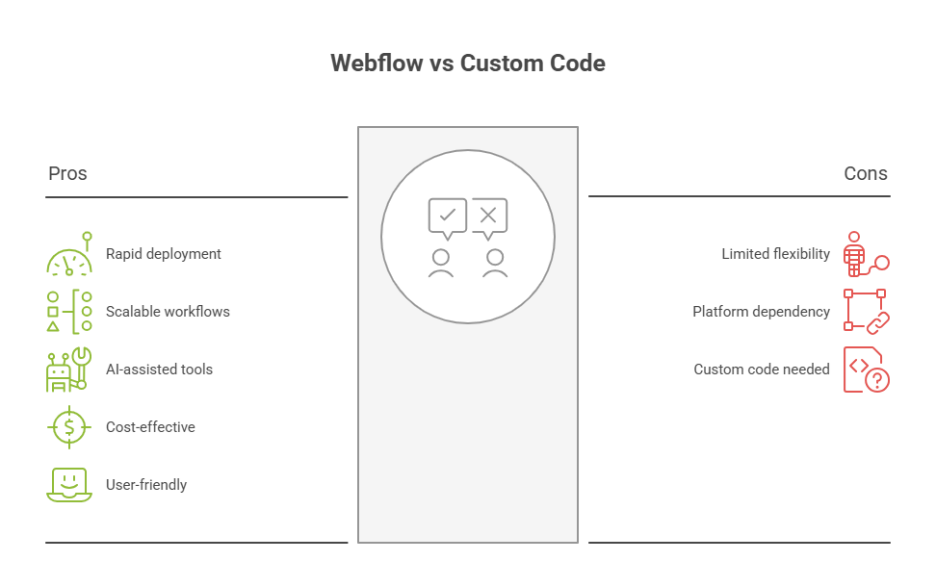
    Webflow sites started competing with custom code in 2025 because they combine no-code efficiency with advanced customization, AI-assisted tools, and scalable workflows. Businesses and developers realized that Webflow offered faster deployment, easier maintenance, and strong SEO performance, making it a cost-effective, professional alternative to fully coded custom websites.

    Webflow sites in 2025 have emerged as a compelling alternative to custom code, offering a no-code, user-friendly builder that balances customization with efficiency. Developers now recognize that leveraging Webflow’s platform, coupled with AI-assisted tools and scalable workflows, can deliver sophisticated animations, integrations, and content management capabilities previously reserved for traditional coding. Good design, robust support, and adherence to best practices are no longer optional—they’re critical to long-term success.

    This blog will explore why Webflow started competing with custom code in 2025, examining performance factors, the real value of professional development, and strategic use cases for startups. You’ll also see how making the right choice between Webflow and custom coding can impact scalability, SEO, and overall web development workflows.

    Why Startups Choose Webflow in 2025 Strategically

    Why Startups Choose Webflow in 2025 Strategically

    Startups in 2025 are increasingly turning to Webflow as a strategic alternative to fully custom development. The platform offers a unique combination of speed, scalability, and flexibility, allowing emerging businesses to launch professional websites without compromising on design, functionality, or long-term growth potential. Understanding why startups are making this shift requires a closer look at the benefits Webflow brings compared to traditional custom coding approaches.

    Speed and Efficiency in Web Development

    One of the primary reasons startups choose Webflow in 2025 is the speed at which websites can be launched. Unlike fully custom development, which may require extensive coding and debugging, Webflow’s visual interface allows teams to build functional, responsive sites quickly. Webflow generates clean code and semantic code automatically, reducing errors while ensuring compatibility with SEO best practices. For startups, this means faster time-to-market and the ability to iterate quickly based on user feedback.

    Scalability Without Compromising Quality

    Scalability is another critical factor. Webflow remains a strong choice for startups that anticipate rapid growth. Webflow’s platform allows for advanced features, complex functionalities, and integration with third-party tools without the need to rebuild the site from scratch. Startups can add custom code or implement custom business logic where necessary, ensuring the site grows alongside the business. Compared to platforms like Webflow vs custom code, Webflow often reduces long-term maintenance costs while maintaining flexibility.

    Balance Between Design and Development

    Webflow is great for bridging the gap between design and development. Startups can leverage Webflow University resources to train in webflow development or collaborate with webflow experts to create custom layouts. The platform gives startups the ability to maintain clean code while implementing advanced features, animations, and AI site builder tools without writing a line of code.

    Strategic Decision: Webflow vs Custom

    Choosing the right choice between Webflow and custom development comes down to balancing budget, timeline, and functionality. While fully custom sites offer ultimate flexibility, they are often resource-intensive. Webflow in 2025 gives startups the ability to build custom websites, add custom code selectively, and maintain semantic code all while avoiding platform limitations.

    Long-Term Value and Maintenance

    Startups also benefit from Webflow’s sustainable approach to web development. The platform provides ongoing updates, reliable hosting, and analytics tools to monitor site performance. Webflow gives teams insights to optimize workflows, maintain scalability, and future-proof their digital presence critical considerations for businesses planning long-term growth.

    Webflow vs Custom Code: 2025 Developer Comparison Insights

    As the web development landscape evolves in 2025, businesses and developers are increasingly evaluating whether to invest in fully custom code or switch to Webflow. Understanding the practical differences, benefits, and limitations of each approach is essential for making informed decisions that align with business needs, scalability, and long-term performance.

    Speed and Efficiency for Designers and Developers

    • Rapid Development: Webflow is a visual web development platform that allows designers and developers to build responsive sites faster than traditional coding.
    • Clean Code Generation: Webflow generates clean, semantic code automatically, reducing errors and ensuring compatibility with SEO and performance optimization best practices.
    • Visual Control: Webflow allows teams to manage layouts, animations, and styling visually while still providing the option to add custom code where necessary.

    Integration and Third-Party Tools

    • Seamless Connections: Webflow provides integration with third-party tools like CRMs, analytics, and marketing platforms, simplifying workflows for startups and enterprises.
    • Custom Content Types: While fully custom development allows complete control over data structures, Webflow users can create custom content types and easily add dynamic content through its CMS features.

    Cost, Maintenance, and Scalability

    • Total Cost of Ownership: Deciding between Webflow and custom solutions often comes down to long-term costs. Custom development may require more technical resources, dedicated maintenance, and custom SLAs, which can lead to unexpected costs.
    • Sustainable Scalability: Webflow pages are optimized to handle millions of users, with scalable hosting and reliable performance, making the platform helpful for startups building growth-focused digital products.

    Flexibility vs Platform Limitations

    • Custom Code Advantage: Fully custom sites offer complete flexibility for complex functionalities and unique business logic.
    • Webflow Advantage: Webflow is a visual web development builder that simplifies most tasks, from the basics to advanced features, and allows designers and developers to focus on user experience and workflow optimization.

    Best Fit for Your Business

    • Startups and SMEs: For businesses seeking speed, reduced maintenance, and integrated tools like analytics, Webflow provides a practical solution without sacrificing scalability.
    • Enterprises with Unique Needs: Companies requiring highly customized solutions may benefit from custom code, provided they have the technical resources to manage development and ongoing updates.

    Conclusion

    In 2025, Webflow sites proved they could compete with fully custom code by combining speed, scalability, and flexibility with professional-grade design and development capabilities. Startups and growing businesses found that leveraging Webflow’s visual platform, AI-assisted tools, and clean code generation enabled faster launches, easier maintenance, and optimized performance. Compared to traditional custom development, Webflow reduces long-term costs, simplifies integrations with third-party tools, and allows selective addition of custom code, making it a practical, scalable choice for businesses aiming for sustainable growth.

    Deciding between Webflow and custom code ultimately depends on your business needs, technical resources, and long-term goals. For startups, Webflow provides a strategic, cost-effective solution that balances efficiency, design, and advanced functionality. Meanwhile, enterprises with highly specific requirements may still benefit from fully custom development, provided they can manage the associated complexity and costs.

    Curious which approach Webflow or custom code would maximize your growth? Why not ask Integriti Studio?

    Frequently Asked Questions (Why Webflow Sites Started Competing With Custom Code in 2025)

    Is Webflow still relevant in 2025?

    Yes Webflow remains highly relevant in 2025. Its no‑code visual development, responsive design, CMS capabilities, and AI-assisted features make it essential for designers, freelancers, and businesses. With growing adoption and continued updates, Webflow stays a strong tool for modern web design and development.

    Does Webflow allow custom code?

    Yes Webflow allows custom code. Designers can embed HTML, CSS, and JavaScript directly into pages or the site’s header/footer, enabling advanced functionality beyond the visual builder. This flexibility makes Webflow suitable for both no‑code users and developers needing custom, dynamic web solutions.

    Who does Webflow compete with?

    Webflow competes with platforms like Wix, Squarespace, WordPress, Shopify, and Bubble. It stands out for visual no‑code development and CMS flexibility, but these competitors offer alternative solutions for website building, e‑commerce, and app development, targeting both beginners and professional designers.

    What is the difference between Webflow and custom website?

    The difference between Webflow and a custom website is that Webflow uses a visual, no‑code platform with templates and built-in CMS, enabling faster development, while a custom website is coded from scratch, offering full control, unique features, and optimization, but requires more time, skill, and maintenance.

  • What Webflow Designers Had to Unlearn in 2025

    What Webflow Designers Had to Unlearn in 2025

    What Webflow Designers Had to Unlearn in 2025

    Why do some websites scale smoothly while others stall even when built on the same tools? The answer often lies not in the platform, but in the assumptions behind how it’s used. In 2025, many webflow professionals realized that success required unlearning habits that once felt efficient but no longer supported performance, scalability, or long-term growth.

    In 2025, Webflow designers had to unlearn over-reliance on templates, visual-only decisions, and quick builds without scalability. They shifted toward performance-focused structures, AI-assisted workflows, cleaner interactions, and closer collaboration with developers to deliver websites that support long-term business growth.

    Website performance is influenced by multiple factors: clean structure, optimized interactions, thoughtful animations, and how well ai-driven workflows are integrated. When these elements are handled without professional oversight, even visually impressive work can result in slow load times, poor conversions, and difficult maintenance. A skilled designer working alongside a developer understands that strong web design is not just about aesthetics it’s about systems, consistency, and measurable outcomes.

    Businesses also began to recognize the real cost of shortcuts. A website priced at $500–$800 may look acceptable initially, but without proper support, updates, and optimization, it often demands costly fixes later. Strategic development, ongoing maintenance, and informed decision-making deliver far greater value over time.

    This blog explores what webflow designers had to unlearn in 2025, how expectations changed, and which smarter design and development choices are shaping more sustainable digital results moving forward.

    Webflow in 2025 Taught Startups Smarter Web Design Choices Toward 2026

    Webflow in 2025 Taught Startups Smarter Web Design Choices Toward 2026

    Startups Moved From Speed-First Builds to Strategic Foundations

    For many early-stage companies, speed was once the main decision driver. Launch fast, adjust later. Webflow in 2025 challenged that mindset. Startups learned that rushed execution often created long-term inefficiencies especially when structure, scalability, and performance were ignored. Modern web design decisions began focusing on systems rather than screens, ensuring that early choices would not block future expansion.

    Templates Became a Starting Point, Not a Strategy

    A common lesson was understanding the role of a template. While templates helped accelerate launches, startups realized they should never dictate architecture. Over-customized templates frequently led to bloated layouts and inconsistent logic. Instead, teams adopted cleaner frameworks that supported flexibility, maintainability, and measurable outcomes as the business evolved.

    Workflow Discipline Defined Sustainable Growth

    Another major shift was the importance of a documented workflow. Startups stopped treating design and deployment as isolated tasks. Clear workflows improved collaboration, reduced rework, and created repeatable processes that could scale. This operational clarity directly influenced performance, stability, and long-term cost control especially when web design decisions aligned with business goals.

    Designing With 2026 in Mind

    By the end of 2025, a forward-looking startup no longer asked what worked now, but what would still work in 2026. The lesson was clear: smarter web design choices are those that anticipate growth, not just launch dates.

    Conclusion

    The lessons from Webflow in 2025 highlight that effective web design goes beyond aesthetics or speed it requires strategic thinking, disciplined workflows, and collaboration between designers and developers. Startups and businesses learned to move away from over-reliance on templates, rushed builds, and purely visual decisions, instead prioritizing scalable structures, AI-assisted workflows, and performance-driven design.

    Investing in professional development, ongoing maintenance, and thoughtful design choices ensures websites not only launch successfully but continue to support growth into 2026 and beyond. Ultimately, the key takeaway for anyone learning Webflow in 2025 is that unlearning outdated habits is as important as adopting new tools and strategies delivering websites that are faster, cleaner, and more resilient for the long term.

    Struggling to implement these smarter design strategies on your website? Why not contact Integriti Studio and get expert guidance today?

    Frequently Asked Questions (What Webflow Designers Had to Unlearn in 2025)

    Is Webflow still relevant in 2025?

    Yes Webflow is still relevant in 2025. It’s widely used for professional, responsive, no‑code website design, with growing market adoption, advanced features, and strong performance and SEO tools. Its role in no‑code/AI‑assisted web development keeps it valuable for designers and businesses.

    Do professional web designers use Webflow?

    Yes, professional web designers use Webflow for client projects, startups, and agency work. Its visual no‑code interface, responsive design capabilities, CMS integration, and fast prototyping make it ideal for delivering polished, scalable websites efficiently, while still allowing custom code for advanced functionality.

    Is Webflow still popular?

    Yes Webflow is still popular in 2025. It powers millions of websites globally, has a growing user base, and continues increasing its market share among CMS platforms. Designers, freelancers, and businesses still choose it for no‑code, responsive web design and visual development.

    Are Webflow designers in demand?

    Yes Webflow designers are in demand in 2025. Businesses, agencies, and startups increasingly hire Webflow pros for fast, responsive, and custom websites. Job openings and freelance gigs continue growing as Webflow adoption rises, especially in no‑code development and digital design roles.