
Outdated Shopify Practices Store Owners Should Reconsider
Why do some shopify businesses grow steadily while others struggle to scale despite similar products? The difference often lies in outdated decisions that quietly impact performance. As a store owner, you may not realize how older shopify workflows, rushed setups, or neglected updates can hold back your shopify store from reaching its full potential in today’s competitive ecommerce space.
Outdated Shopify practices include using unoptimized themes, neglecting site structure, relying on default settings, and skipping ongoing optimization. These choices hurt performance, brand credibility, and scalability. Modern Shopify success requires professional development, strategic customization, faster load times, and continuous improvements aligned with evolving ecommerce standards.
Factors influencing website performance go beyond visuals. Poor structure, weak optimization, and unrefined processes affect how your brand is perceived, how users interact with your store, and how effectively search engines evaluate your site. Professional development ensures your shopify setup supports long-term growth, improves optimization, and aligns with modern expectations for speed, reliability, and trust. Many businesses hesitate due to cost, yet typical professional support may range from a few hundred to a few thousand dollars often far less than the revenue lost through inefficiency.
New Shopify optimization strategies to boost sales search engine
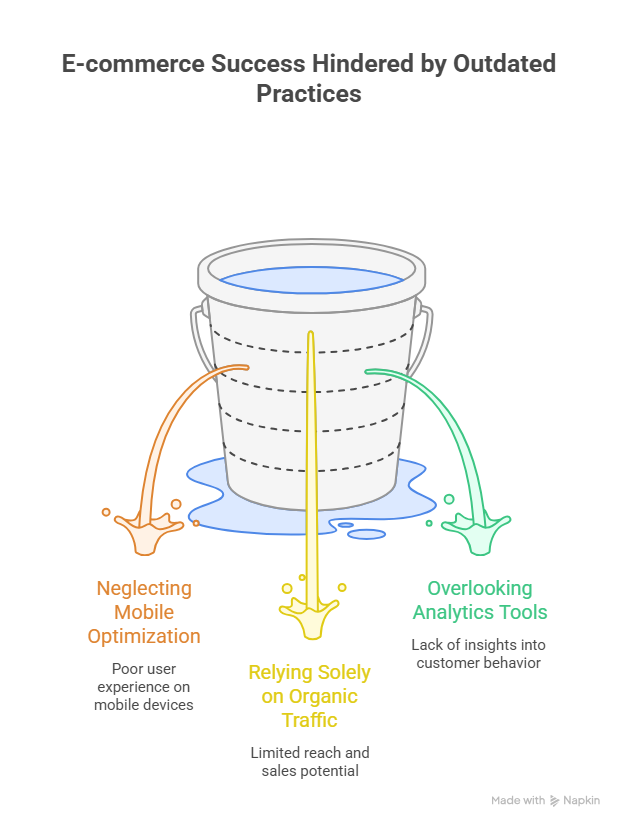
Modern new shopify optimization is no longer limited to visuals or basic setup. It focuses on aligning performance, usability, and search visibility to drive measurable growth. Many shopify store owners make the mistake of assuming default settings are enough, but real results come from intentional improvements that support both users and search engines. Addressing common shopify gaps early helps prevent scalability issues later.
Performance, Structure, and Search Alignment
A strong optimization strategy begins with technical clarity. Clean urls, properly structured meta data, and a logical layout allow search engines to understand your store while improving navigation for users. Ignoring these elements is a common pitfall that affects store performance, especially as product catalogs grow. Professional optimization ensures your store avoids unnecessary clutter and delivers a clear first impression.
Mobile and Checkout Experience
With most purchases happening on mobile phones, a mobile-friendly approach is essential. Slow interfaces, complex checkout flows, or poor mobile experience directly impact whether visitors make a purchase. Reducing friction improves customer experience, lowers bounce rates, and supports better results across all e-commerce stores.
Conversion-Focused Enhancements
Strategic customization allows your store to guide users naturally toward conversion. Well-placed ctas, relevant upsells, and optimized order value tactics improve revenue without harming trust. Avoiding slow load times and resolving hidden performance issues ensures your online business remains competitive.
Common Shopify store mistakes harming brand ecommerce growth optimization
Step 1: Ignoring Structural Foundations During Early Setup
One of the most common shopify issues begins at the setup stage. With new shopify projects, rushing decisions often leads to weak foundations. This is a pitfall many shopify store owners make, especially when launching an online business quickly. Poor layout, messy urls, and missing meta structure reduce clarity for both users and search engines, weakening brand authority from day one.Many new shopify launches also overlook scalability. As many shopify store owners expand, these early decisions start affecting store performance and limit future growth across e-commerce stores.
Step 2: Overcomplicating Design and Customization
Excessive customization without strategy creates visual clutter and distracts users. Overdesigned pages often confuse visitors using mobile phones, harming the mobile experience and increasing bounce rates. This is one of the common shopify design mistakes seen across many shopify businesses.A clean, mobile-friendly design improves the first impression, supports the customer experience, and delivers better results across devices. Strategic customization should guide users, not overwhelm them.
Step 3: Weak Checkout and Conversion Flow
A complicated checkout process is a silent revenue killer. When users struggle to make a purchase, abandoned carts increase and performance issues surface. Repeated checkout friction directly impacts order value and limits your ability to boost sales.Well-placed ctas and thoughtful upsells simplify decision-making while improving trust in your e-commerce presence.
Step 4: Performance and Speed Neglect
Ignoring slow load times damages credibility and hurts conversions. Poor speed creates friction, affects store performance, and signals low quality to users. Optimized structure and minimal distractions are essential to protect brand perception and sustain long-term growth.
Conclusion
Outdated Shopify practices rarely fail overnight, but they quietly limit growth, weaken brand trust, and reduce long-term profitability. From poor structural decisions and excessive customization to weak checkout flows and ignored performance issues, each small mistake compounds over time. Sustainable success on Shopify requires intentional optimization, professional development, and continuous improvements aligned with modern ecommerce standards. When your store is built with clarity, speed, and user experience in mind, it becomes easier to scale, improve conversions, and protect your brand’s credibility in a competitive market.
Ready to fix what’s holding your Shopify growth back should you contact Integrity Studio now?
Frequently Asked Questions (Outdated Shopify Practices Store Owners Should Reconsider )
What are the challenges of Shopify store owners?
Shopify store owners face challenges like high competition, managing inventory, and optimizing for SEO and conversions. Other issues include platform fees, integrating third-party apps, ensuring fast page speed, handling customer support, and scaling operations while maintaining a smooth user experience and sustainable profit margins.
How to recover an old Shopify store?
To recover an old Shopify store, log in to your Shopify account and check for any paused or archived stores. Restore backups if available, update products, themes, and apps, verify domain settings, and ensure all payment and shipping configurations are current before relaunching the store to customers.
Why do so many Shopify stores fail?
Many Shopify stores fail due to poor market research, low-quality products, and weak branding. Other reasons include ineffective marketing, high competition, slow website performance, poor customer experience, and inadequate inventory or fulfillment management, which prevent stores from attracting and retaining customers, ultimately affecting profitability and growth.
How can I improve my Shopify store?
You can improve your Shopify store by optimizing site speed, enhancing mobile responsiveness, and refining product pages with clear descriptions and high-quality images. Focus on SEO, effective marketing strategies, user-friendly navigation, and reliable customer support to boost conversions, increase traffic, and ensure long-term growth.
Leave a Reply