What Shopify Merchants Stopped Doing In 2025 and Why it Worked
Why do some Shopify stores convert effortlessly while others struggle despite using the same platform? The answer often lies in factors influencing website performance, from clean code and optimized APIs to seamless integrations and thoughtful design. For you as a merchant, understanding these elements is crucial—not just for immediate sales, but for long-term ecommerce growth.
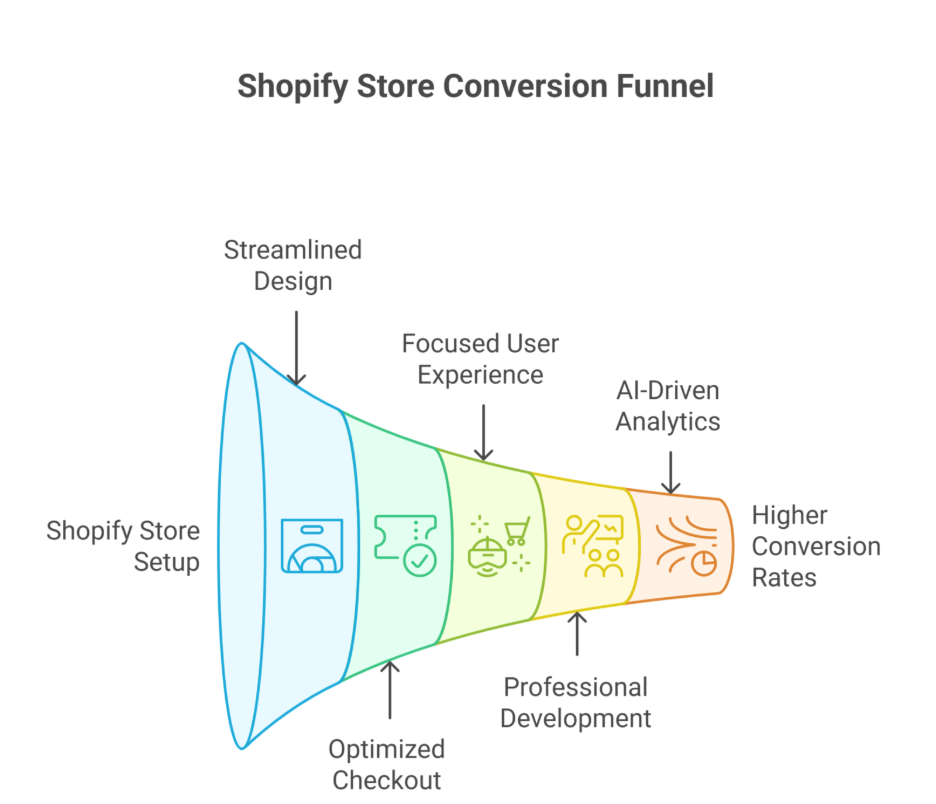
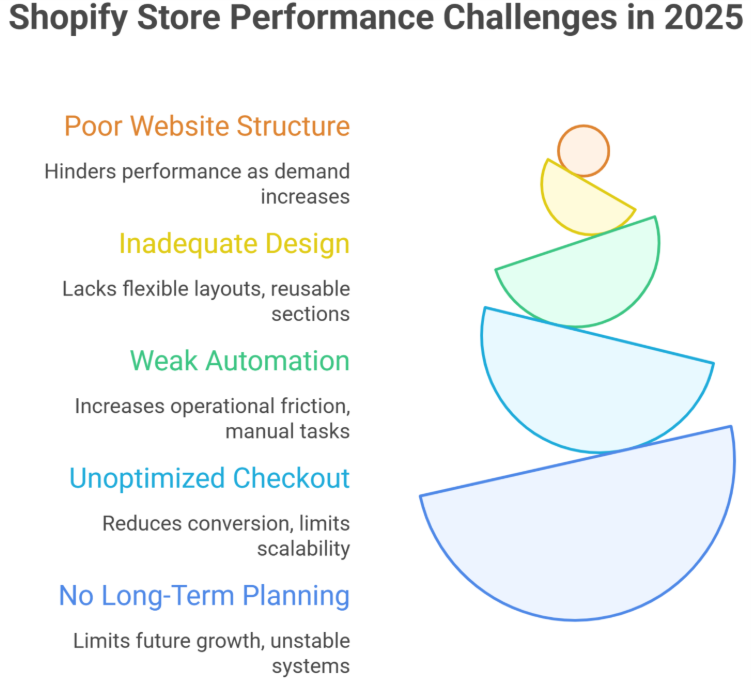
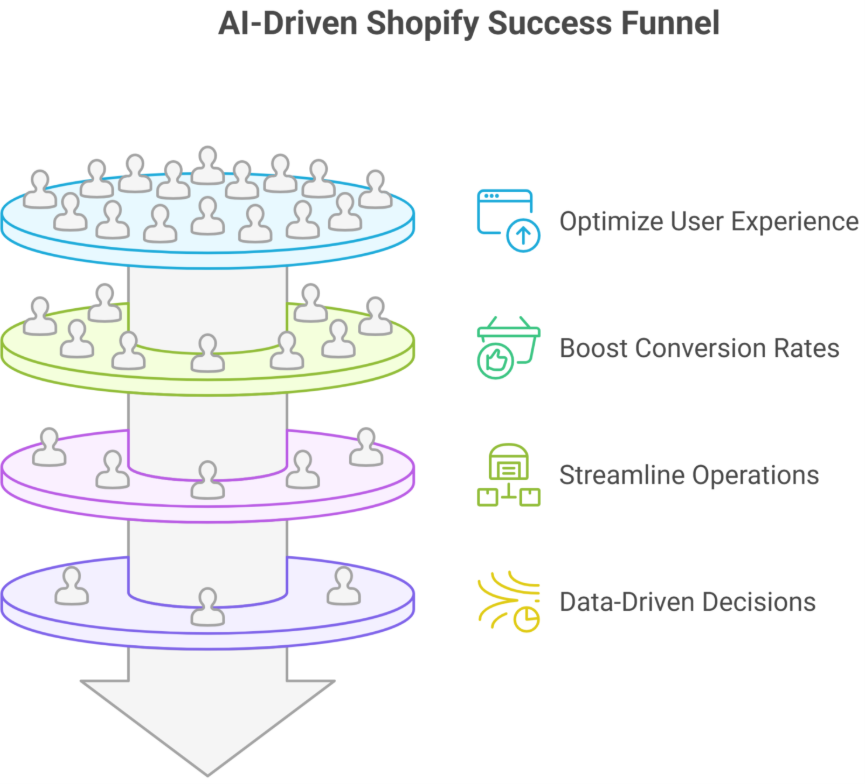
In 2025, Shopify merchants stopped relying on outdated plugins, ignoring professional development, and skipping regular maintenance. By focusing on clean code, AI-powered tools, API and GraphQL integrations, and thoughtful design, merchants improved website performance, boosted conversions, and ensured their Shopify stores remained scalable, secure, and future-ready.
In 2025, many Shopify merchants realized that relying on outdated tools or skipping professional development was costing them more than it saved. Investing in expert support, regular maintenance, and smart design choices often requires a modest budget typically ranging from a few hundred to a few thousand dollars but the returns in speed, conversion, and reliability are significant. Incorporating AI, modern API connections, and robust authentication processes has also become a game-changer for Shopify stores aiming to scale efficiently.
This blog will explore what Shopify merchants stopped doing in 2025 and why it worked. You’ll learn how small but strategic changes covering design, integrations, maintenance, and development can transform your store’s performance. By the end, you’ll understand actionable insights that can help your Shopify store thrive into 2026 and beyond.
Why Shopify merchants stopped using outdated tools in 2025
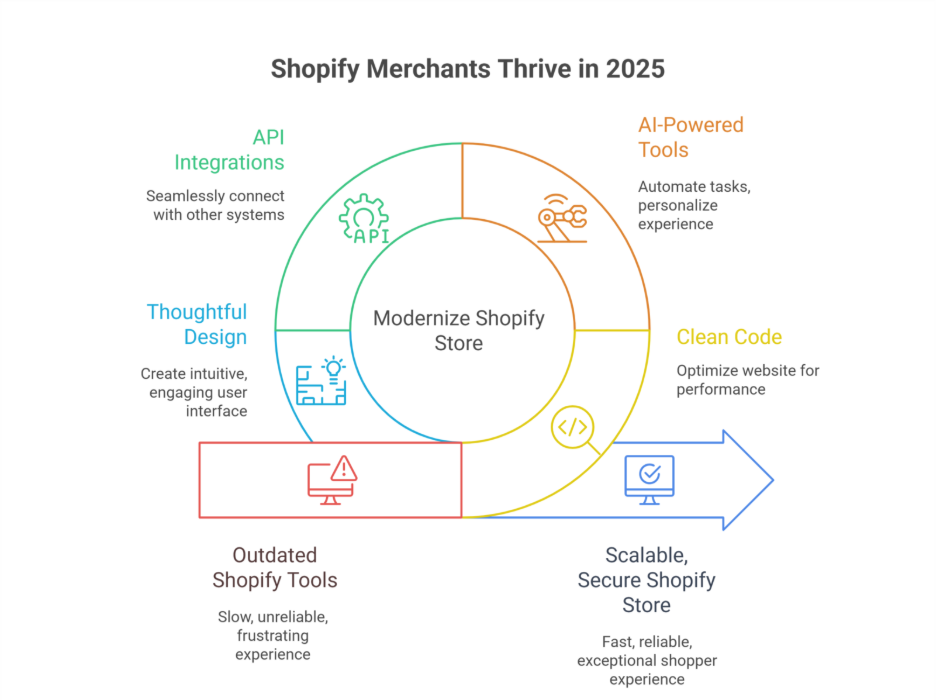
In 2025, many Shopify merchants realized that continuing to rely on outdated tools and legacy systems was holding back growth, slowing conversion, and negatively impacting the shopper experience. For ecommerce brands aiming to scale efficiently, embracing modern integrations, APIs, and updated platform capabilities became essential.
The Limitations of Outdated Tools
Outdated Shopify apps and plugins often stop working properly with the new Shopify updates. Merchants using rest API connections or older GraphQL implementations found that their integrations caused slow checkouts, reporting errors in the admin dashboard, and unreliable automation processes. This not only reduced conversion but also created frustration for the shopper and the internal team managing the store.
Impact on Shopify Brands and Store Performance
Shopify merchants generated lower engagement when relying on tools that lacked proper support or weren’t optimized for 2025 ecommerce trends. Slow integrations, broken public apps, and outdated analytics meant brands couldn’t personalize the customer experience effectively or track critical metrics during peak sales events like Black Friday and Cyber Monday (BFCM sales).
Moving Towards Modern Integrations
Merchants began to migrate to solutions that leveraged updated APIs, GraphQL, and Shopify’s latest features. Using new Shopify apps from the Shopify App Store enabled better automation, improved checkout flows, and smoother admin management. Salesforce and email marketing integrations, combined with TikTok and LinkedIn tools, helped merchants stay ahead of the trend and boost conversion.
Benefits of Updated APIs and GraphQL
Modern APIs allow seamless integration between a Shopify store and external systems, whether for CRM, analytics, or marketing automation. Using Shopify rest and GraphQL APIs ensures that the store’s data syncs in real time, improving personalization, automation, and ultimately customer satisfaction. Shopify developers now recommend building with these technologies to future-proof stores for 2026.
Why 2025 Was a Turning Point
By stopping the use of legacy tools, Shopify merchants generated measurable improvements in ecommerce efficiency, conversion rates, and operational stability. The combination of updated APIs, integration of automation tools, and support from Shopify developers allowed stores to remain agile, handle BFCM sales efficiently, and offer a superior shopper experience.
2025 trends merchants followed to succeed on LinkedIn
In 2025, Shopify merchants leveraged LinkedIn strategically to grow their brand presence, connect with e-commerce professionals, and increase conversion. Key trends emerged that helped merchants optimize their workflow, customer data, and overall selling strategy.
Prioritizing Professional Networking and Brand Selling
- Focused on LinkedIn as a platform for B2B connections and thought leadership.
- Shared success stories of brand selling and selling online to establish credibility.
- Engaged with industry-wide discussions to stay ahead of market disruption.
Leveraging Customer Data and Authentication
- Used customer data insights to personalize messaging and target the right audience.
- Implemented proper authentication and security measures to maintain trust.
- Ensured that integrations with rest endpoints and APIs still work seamlessly.
Optimizing Workflow and Store Performance
- Streamlined internal workflow to respond faster to leads generated via LinkedIn.
- Identified which tools to stop using to remove inefficiencies.
- Focused on boosting average order value by highlighting relevant products to connections.
Compliance and Strategic Insights
- Monitored tax compliance and legal requirements for cross-border selling.
- Analyzed LinkedIn analytics to understand what content resonated with e-commerce brands.
- Shared insights to inspire many stores to adapt similar strategies.
Conclusion
In 2025, Shopify merchants achieved significant growth by reevaluating their tools, strategies, and workflows. By stopping the use of outdated plugins, embracing modern APIs and GraphQL integrations, and investing in professional development and thoughtful design, merchants improved website performance, boosted conversions, and future-proofed their stores for 2026.
Leveraging LinkedIn strategically also proved essential—merchants optimized their workflow, used customer data effectively, ensured proper authentication, and shared insights that positioned their brands ahead of industry-wide trends. From streamlining admin processes to enhancing checkout experiences and increasing average order value, these deliberate changes highlighted the real value of proactive ecommerce management.
Ultimately, success in 2025 wasn’t about adding more tools—it was about using the right tools wisely, stopping what no longer worked, and aligning technology, design, and strategy to deliver an exceptional shopper experience. By adopting these insights, you can ensure your Shopify store remains agile, scalable, and ready to thrive in 2026 and beyond.
Ready to stop using outdated tools and see how your Shopify store can truly thrive why not ask Integriti Studio how?
Frequently Asked Questions (What Shopify Merchants Stopped Doing In 2025 and Why it Worked)
Is Shopify still relevant in 2025?
Yes Shopify is still highly relevant in 2025: it powers millions of stores globally, continues innovating with AI, mobile‑first commerce, and robust security, and integrates deeply with social and omnichannel selling tools. Its ecosystem and scalability keep it central to modern e‑commerce
Why do most Shopify stores fail?
Most Shopify stores fail due to poor product-market fit, weak marketing, and lack of differentiation. Common issues include inadequate traffic, low conversion rates, poor user experience, and underestimating operational costs. Even with Shopify’s tools, success requires strategy, consistent promotion, and strong customer engagement.
Why has Shopify dropped so much?
Shopify dropped mainly due to slowing e-commerce growth after the pandemic boom, high earlier valuations, and investor concerns about profitability. Rising competition, higher operating costs, and cautious market sentiment toward tech stocks also contributed to volatility, even though Shopify’s long-term fundamentals remain strong.
What is Shopify and how does it work in 2025?
Shopify is a cloud-based e-commerce platform that lets businesses create, manage, and scale online stores. In 2025, it works with built-in AI tools, secure hosting, payment processing, and app integrations, enabling merchants to sell across websites, social media, and global marketplaces from one dashboard.