Lessons from wordpress in 2025 that will shape 2026
Why do some WordPress websites thrive effortlessly while others struggle to convert visitors into customers? The difference often goes beyond the platform itself and lies in how a site is designed, built, and maintained. Factors influencing website performance such as optimization, user experience, and plugin integration play a critical role in determining whether your WordPress site can scale effectively.
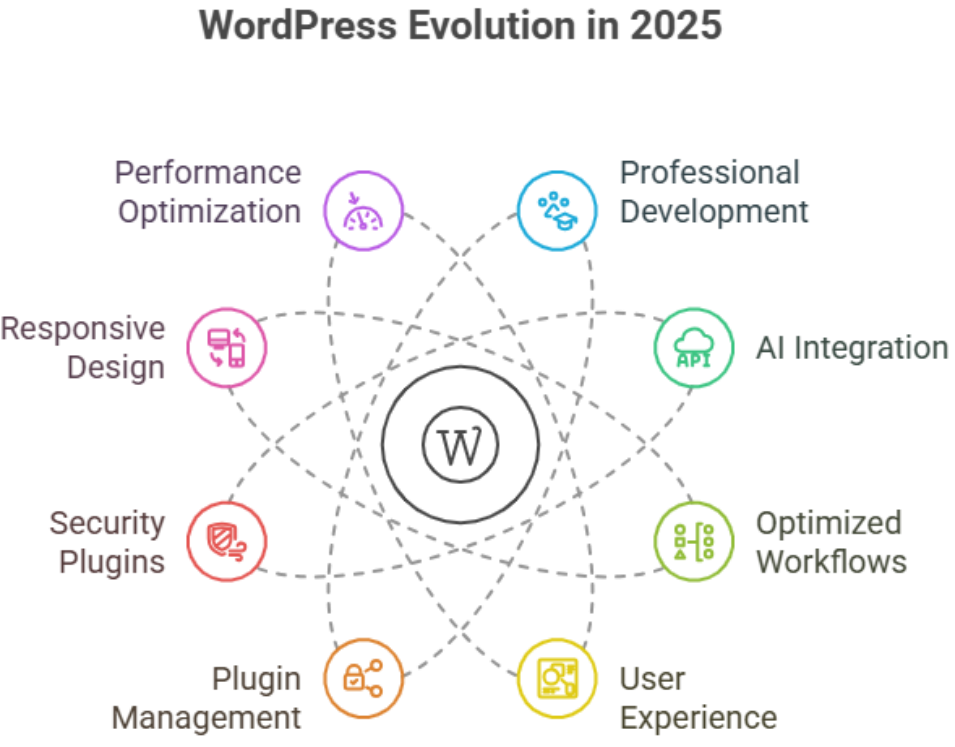
WordPress in 2025 highlighted the importance of professional development, AI integration, and optimized workflows. Developers and site owners who focused on user experience, plugin management, and intuitive design gained a competitive edge. These lessons will shape 2026, guiding smarter site redesigns, efficient maintenance, and future-ready WordPress roadmaps.
Professional development for developers and site owners is more important than ever. In 2025, we saw how investing in AI-powered tools, careful workflow planning, and advanced builder techniques not only speeds up development but ensures sites remain flexible for future updates. Good design, ongoing support, and maintenance deliver real value, helping avoid costly errors and downtime. For example, a professional WordPress redesign or plugin integration can vary in pricing, reflecting the complexity and level of expertise required.
This blog will explore key lessons from WordPress in 2025, including practical insights for developers and site owners, the evolving role of AI, and strategies to optimize workflow, plugins, and overall functionality. By following these lessons, you can shape your roadmap for 2026 and ensure your WordPress projects are smarter, faster, and more future-ready.
WordPress AI Tools Helping Developers with Real-Time Collaboration
As WordPress continues to evolve, AI tools have become essential for developers aiming to streamline workflows, optimize performance, and enhance real-time collaboration. These tools allow developers and site owners to reduce errors, accelerate site redesigns, and ensure WordPress websites remain future-ready.
How AI Tools Enhance Real-Time Collaboration
AI tools enable multiple developers and site owners to work simultaneously on a WordPress website without conflicts. Tasks such as content creation, plugin customization, and code updates can now happen in a synchronized environment. This reduces bottlenecks during redesign phases and ensures new features are integrated efficiently.
Optimizing WordPress Core and Plugins
With AI-powered insights, developers can natively optimize WordPress core, themes, and plugins for performance and scalability. AI can suggest caching improvements, highlight redundant PHP code, and recommend strategies for performance optimization, creating smoother experiences for users.
Streamlined Content and Feature Management
AI tools assist with content creation and management systems, allowing site owners to maintain original content, blog posts, and product updates efficiently. This ensures that sites stay current with web design trends and align content with business objectives.
Benefits for Site Owners and Developers
For site owners, AI-enabled collaboration means faster redesign cycles, better portability of WordPress websites, and enhanced analytics. Developers gain seamless repository management, phase updates without disruption, and plan future development efficiently.
A Strategic Investment for Long-Term Success
Investing in AI tools is a powerful move for WordPress site owners and developers who want to optimize workflow, reduce reliance on freelance resources, and maintain a competitive edge. Every redesign, plugin integration, and core update is executed efficiently, saving time and costs.
WordPress 2025 Insights Every Developer Needs for 2026
WordPress in 2025 offered developers crucial lessons that will directly impact strategies and site performance in 2026. Understanding these insights ensures developers can deliver responsive, secure, and future-ready WordPress websites while optimizing workflows and enhancing real-time collaboration.
Key Performance and Security Takeaways
- Invest in Security Plugins: Implementing reliable security plugins in 2025 proved essential for safeguarding WordPress websites against emerging threats. Developers should continue prioritizing these tools in 2026.
- Optimize for Responsiveness: Responsive design ensures websites perform well across devices, a non-negotiable expectation from users and site owners.
- Performance Optimization: Efficient caching, code management, and AI-driven tools enhance speed and reliability.
Enhancing Collaboration and Workflow
- Real-Time Collaboration: 2025 highlighted how AI-driven real-time collaboration tools streamline teamwork between developers and site owners.
- Project Management Integration: Embedding project management systems within WordPress workflows improves task tracking, deadlines, and transparency.
- API Utilization: Leveraging APIs facilitates smoother integrations, especially for SaaS solutions and e-commerce platforms.
Content and Design Strategies
- Structured Content: Maintaining a clear content structure improves SEO, user experience, and manageability.
- Preview Functionality: Allowing site owners to preview content in real-time reduces errors and speeds up the redesign process.
- Portfolio and E-Commerce Sites: Specific design strategies from 2025 emphasize creating intuitive layouts for both portfolio sites and e-commerce platforms, enhancing engagement and conversions.
Preparing for 2026
By integrating lessons from WordPress 2025, developers can deliver smarter, more secure, and user-focused websites. Focusing on security plugins, responsive design, real-time collaboration, and AI-driven tools ensures that workflows are optimized and sites are future-ready, setting a strong roadmap for 2026.
Conclusion
The lessons from WordPress in 2025 provide a clear roadmap for success in 2026. Developers and site owners who embrace AI tools, prioritize real-time collaboration, and focus on performance optimization, responsive design, and security plugins are better positioned to deliver WordPress websites that are efficient, scalable, and user-focused. Investing in professional development, strategic workflow planning, and thoughtful site redesigns ensures that your WordPress projects remain future-ready, flexible, and aligned with business objectives. By applying these insights, you can not only streamline development and maintenance but also create websites that engage users, support growth, and maintain a competitive edge in the rapidly evolving digital landscape.
Frequently Asked Questions (Lessons from wordpress in 2025 that will shape 2026)
Why do some WordPress websites perform better than others?
Performance depends on factors like optimization, user experience, plugin integration, and professional development. Sites with efficient workflows, responsive design, and strategic plugin management tend to convert better and scale more effectively.
How is AI shaping WordPress development in 2025?
AI tools enhance real-time collaboration, streamline content creation, optimize workflows, and provide insights for plugin and core management. Developers and site owners using AI can reduce errors and accelerate redesigns.
What should developers focus on for WordPress in 2026?
Developers should prioritize security plugins, responsive design, real-time collaboration, performance optimization, and future-ready workflows. Understanding lessons from 2025 ensures smoother site updates and better scalability.
How important is professional development for WordPress site owners?
Extremely important. Investing in learning AI tools, builder techniques, and best practices ensures site owners can maintain and optimize their websites efficiently while reducing reliance on external resources.
Leave a Reply