Blog

  • Designing High Performance APIs for Real Time Applications in Node.js 

    Designing High Performance APIs for Real Time Applications in Node.js 

    Real-time applications expose the true limits of backend systems. Unlike traditional request response APIs, real time systems operate under constant load, persistent connections and strict latency expectations. In such environments performance is not an optimization step. It is a design constraint. 

    Node.js is often chosen for real time workloads because of its event driven architecture. However, building truly high-performance APIs requires an understanding of how Node behaves under stress. Also how architectural decisions amplify or mitigate bottlenecks. 

    This is where High-Performance APIs in Node.js move from theory in to disciplined engineering. 

    Understanding Where Latency Actually Comes From 

    Most teams focus on database queries when investigating slow APIs. In real time systems, latency often accumulates elsewhere. 

    Common contributors include: 

    • Event loop saturation 
    • JSON serialization overhead 
    • Synchronous utility functions blocking execution 
    • Excessive middleware chaining 
    • Inefficient connection handling 

    Without visibility into these layers, teams risk optimizing the wrong components while core issues remain unresolved. 

    Event Loop Behavior Under Continuous Load 

    The Node.js event loop is designed to handle large numbers of concurrent operations efficiently. Problems arise when tasks within the loop take too long to execute. 

    Heavy computation, synchronous parsing, or deeply nested callbacks can block the loop and delay all other operations. This is why Event Loop Optimization Node.js is foundational for real time APIs. 

    Effective strategies include: 

    • Offloading CPU intensive work to worker threads 
    • Breaking long tasks into smaller asynchronous chunks 
    • Avoiding synchronous file system and crypto operations 
    • Monitoring event loop lag as a first class metric 

    When the event loop remains responsive, the entire system benefits. 

    API Design Choices That Influence Throughput 

    API structure directly impacts performance. Even small design decisions can multiply latency under high traffic. 

    Thoughtful Node.js API Performance Tuning often focuses on: 

    • Minimizing payload size 
    • Avoiding unnecessary abstraction layers 
    • Reusing connections instead of creating new ones 
    • Applying backpressure where appropriate 
    • Returning partial responses when possible 

    In real time contexts, predictability matters as much as raw speed. 

    Real Time Communication Beyond Simple Requests 

    HTTP based APIs are only part of the equation. Many real time applications rely on persistent connections for live updates. 

    Scaling WebSockets introduces its own challenges, including connection lifecycle management, memory pressure, and message fan out. 

    Addressing Real-time WebSocket Scalability requires: 

    • Efficient connection registries 
    • Horizontal scaling with shared state or message brokers 
    • Careful handling of reconnect storms 
    • Load aware broadcasting logic 

    Without these controls, WebSocket servers degrade quickly under load. 

    Caching as a First Class Performance Primitive 

    Caching is often treated as an afterthought, added once performance issues appear. In real time systems, caching must be designed from the start. 

    Smart Caching strategies for real-time Node.js microservices balance freshness and speed. This includes: 

    • In memory caches for hot data 
    • Distributed caches for shared state 
    • Time based invalidation instead of manual purges 
    • Cache warming for predictable access patterns 

    The goal is not to cache everything, but to cache what matters most to latency. 

    Scaling Across CPU Cores 

    Node.js runs on a single thread by default, which limits CPU utilization. Scaling requires explicit decisions. 

    Teams must choose between clustering and worker threads. The Node.js cluster module vs worker threads for APIs debate hinges on workload characteristics. 

    Cluster mode excels at handling large numbers of independent requests across cores. Worker threads are better suited for offloading CPU intensive tasks without duplicating memory. 

    Understanding this distinction prevents overengineering and resource waste. 

    Reducing Latency at the System Level 

    Performance tuning is ineffective if limited to individual endpoints. True gains come from system wide optimization. 

    Efforts to Reducing Node.js API latency for high-traffic apps often involve: 

    • Eliminating synchronous dependencies 
    • Co locating services to reduce network hops 
    • Using binary protocols where appropriate 
    • Monitoring tail latency rather than averages 
    • Designing for graceful degradation under load 

    These measures ensure APIs remain responsive even during peak usage. 

    Observability as a Performance Requirement 

    High performance APIs require high visibility. Without observability, tuning becomes guesswork. 

    Teams should monitor: 

    • Event loop delay 
    • Memory usage patterns 
    • Connection counts 
    • Request queue depth 
    • Error rates under load 

    Performance issues rarely announce themselves clearly. They surface through patterns. 

    How Integriti Studio Engineers Real Time APIs 

    At Integriti Studio, we design Node.js APIs with performance as a baseline requirement, not an enhancement. 

    Our approach includes: 

    • Event loop aware architecture 
    • Purpose built caching layers 
    • WebSocket scaling strategies 
    • Load testing under realistic conditions 
    • Continuous performance monitoring 

    This allows real time systems to scale predictably as demand grows. 

    Final Perspective 

    Real time applications magnify every architectural decision. Node.js provides the tools to build fast, scalable APIs, but only when used with intention. 

    High performance is not achieved by tweaking one setting or adding more servers. It emerges from understanding how the runtime behaves and designing systems that respect its strengths and limitations. 

    For teams building real time platforms, performance is not optional. It is the product. 

  • When to Move from No Code to Custom Development: A Founder’s Technical Roadmap 

    When to Move from No Code to Custom Development: A Founder’s Technical Roadmap 

    Most founders don’t start with a technical roadmap. They start with urgency. 

    An idea needs validation. A demo needs to exist. A product needs to ship before the window closes. No code platforms make this possible and for early momentum they are often the right choice. 

    But at some point, growth introduces friction. Features become harder to implement. Performance starts to degrade. Costs rise unpredictably. What once felt empowering begins to feel constraining. This is the moment many founders quietly fear, because the path forward is no longer obvious. 

    This is where a No-Code to Custom Development Roadmap becomes pretty essential. 

    The Early Stage Sweet Spot of No Code 

    In the earliest phase, no code platforms offer undeniable advantages. They reduce time to market, eliminate the need for a full engineering team. Also allows founders to test assumptions with minimal upfront investment. 

    At this stage, constraints are not bugs. They are guardrails. Limited flexibility forces focus. Visual workflows encourage rapid iteration. For MVPs and early pilots, this tradeoff is often ideal. 

    Problems begin when the product outgrows the assumptions baked into the platform. 

    Recognizing the Scalability Ceiling 

    Founders rarely wake up one day and decide to leave no code. The decision emerges gradually through friction. 

    Common warning signs include: 

    • Increasing latency as data volume grows 
    • Complex workflows becoming fragile and hard to debug 
    • Limited control over background jobs and processing 
    • Difficulty enforcing granular permissions 
    • Rising platform costs that scale faster than revenue 

    These are not operational annoyances. They are indicators of the Scalability Limits of No-Code

    Ignoring them leads to compounding technical debt. 

    When Product Velocity Starts Slowing Down 

    One of the most overlooked signals is velocity. Features that once took hours begin taking days. Simple changes require workarounds. Logic becomes duplicated across visual flows. 

    At this point, founders often ask whether they are simply using the platform incorrectly. In reality, they are experiencing structural limits. 

    This is usually when conversations about When to leave Bubble for React begin. Not because React is better, but because the product now demands control over state, performance and architecture that visual builders cannot provide. 

    Understanding Technical Debt in No Code Products 

    Technical debt exists in no code systems just as it does in traditional codebases. It simply looks different. 

    Instead of messy code, debt appears as: 

    • Overloaded workflows 
    • Hidden dependencies 
    • Hard coded assumptions 
    • Inflexible data models 
    • Brittle integrations 

    This is where a Founder’s guide to technical debt in no-code becomes critical. The longer a product operates at scale without addressing these issues, the harder migration becomes. 

    Debt does not disappear when you rewrite. It follows you unless addressed intentionally. 

    The Reality of Migration Costs 

    Migration is rarely cheap, but delaying it often costs more. 

    The Cost of migrating from no-code to custom development includes more than engineering hours. It involves opportunity cost, slowed feature delivery, parallel system maintenance and risk during transition. 

    However, founders who delay migration too long often find themselves rebuilding under pressure rather than planning strategically. This leads to rushed decisions and fragile architectures. 

    A planned transition is almost always less expensive than an emergency rewrite. 

    Choosing What to Rebuild and What to Keep 

    One of the biggest mistakes founders make is attempting a full rewrite all at once. This approach maximizes risk and downtime. 

    A more effective strategy is selective extraction. Identify core bottlenecks and move them first. 

    Many teams start by introducing a Custom backend for Bubble.io apps, allowing critical logic, performance sensitive workflows and integrations to live outside the no code platform. The frontend remains intact while the backend evolves. 

    This hybrid phase reduces risk and creates a bridge toward full custom development. 

    The Transition Phase Most Founders Underestimate 

    Moving from no code to custom is not just a technical shift. It is an organizational one. 

    During this phase: 

    • Product decisions become more technical 
    • Engineering discipline matters more 
    • Documentation becomes essential 
    • Deployment and monitoring enter the picture 
    • Security and scalability move to the forefront 

    This is the heart of the No-Code to Custom Code Transition and it requires founders to think differently about their product and team. 

    Those who succeed treat this phase as an investment, not a setback. 

    Designing for the Next Stage of Growth 

    Custom development is not the goal. Sustainable growth is. 

    The purpose of transitioning away from no code is to unlock: 

    • Predictable performance at scale 
    • Full control over data and logic 
    • Better security and compliance 
    • Faster iteration for complex features 
    • Lower long term operating costs 

    A well designed custom architecture supports growth without reintroducing chaos. 

    How Integriti Studio Helps Founders Navigate This Shift 

    At Integriti Studio, we work with founders at the exact moment when no code stops being enough. 

    Our approach focuses on: 

    • Auditing existing no code systems 
    • Identifying true scalability bottlenecks 
    • Designing phased migration strategies 
    • Building custom backends alongside existing platforms 
    • Transitioning products without disrupting users 

    We believe the move from no code to custom should feel deliberate, not reactive. 

    Final Perspective 

    No code is not a mistake. It is a phase. 

    The mistake is staying too long without a plan. Founders who recognize the signs early and follow a clear technical roadmap gain a significant advantage. They transition on their own terms rather than being forced by growth, customers, or failures. 

    The right time to move is not when the system breaks. It is when the ceiling becomes visible. 

  • Building Secure SaaS Authentication with Auth0, Passkeys and Multi Factor Login 

    Building Secure SaaS Authentication with Auth0, Passkeys and Multi Factor Login 

    Authentication has quietly become the most critical layer in modern SaaS architecture. As products scale, breaches rarely happen because of exotic zero day exploits. They happen because identity systems lag behind product growth. 

    Passwords, shared secrets and bolt on MFA solutions were never designed for distributed SaaS platforms serving enterprises, partners and internal operators simultaneously. This gap is why modern authentication strategies are shifting toward passkeys, phishing resistant MFA and managed identity platforms like Auth0. 

    Why Authentication Can No Longer Be an Afterthought 

    Early stage SaaS teams often optimize for speed. Authentication is implemented once and rarely revisited until compliance, customer pressure or an incident forces change. 

    This mindset directly conflicts with Building Secure SaaS Authentication at scale. Authentication systems evolve alongside threat models. What is acceptable for ten users becomes dangerous at ten thousand. 

    Attackers today do not brute force credentials. They exploit weak recovery flows, reuse leaked passwords and bypass poorly enforced MFA. A modern SaaS authentication layer must assume compromise attempts are constant. 

    Passkeys as a Structural Shift, Not a Feature 

    Passkeys fundamentally change how users prove identity. Instead of shared secrets stored on servers, passkeys rely on public key cryptography tied to a user device. 

    When implemented correctly, passkeys remove entire classes of attacks including credential phishing and password reuse. This is why Auth0 Passkeys Implementation has become increasingly relevant for SaaS teams that want to move beyond incremental security improvements. 

    Passkeys are not just about convenience. They represent a shift from user memorization to device based trust anchored in cryptographic proof. 

    The Role of Passwordless MFA in SaaS Security 

    While passkeys reduce risk. They do not eliminate the need for layered defenses. Enterprise environments demand explicit control. This is over how users authenticate across devices, locations and roles. 

    This is where Passwordless MFA for SaaS becomes critical. Instead of stacking passwords with one time codes, modern MFA combines: 

    • Device trust 
    • Biometric verification 
    • Contextual signals 
    • Risk based challenges 

    This approach strengthens authentication without increasing user friction. 

    Phishing Resistance Is the New Baseline 

    Traditional MFA methods such as SMS or email codes are no longer sufficient against modern phishing kits. These attacks proxy real login flows in real time, capturing both passwords and codes. 

    This is why Phishing resistant MFA for enterprise apps is highly emerging as a baseline expectation rather than an advanced option. Technologies built on WebAuthn and FIDO2 standards ensure credentials can not be replayed or intercepted. 

    For SaaS platforms handling sensitive data. Adopting phishing resistant MFA is not just a security upgrade. It is a trust requirement. 

    Auth0 vs Rolling Your Own WebAuthn 

    Engineering teams really often debate whether to build authentication internally or rely on managed platforms. WebAuthn APIs are available. However implementing them correctly across browsers, devices and edge cases is nontrivial. 

    The Auth0 vs Custom WebAuthn implementation decision typically comes down to risk ownership. Custom implementations require deep expertise in cryptography, device compatibility, fallback flows and ongoing maintenance. 

    Auth0 abstracts these complexities while offering extensibility for advanced use cases. For most SaaS teams, this tradeoff highly favors speed and correctness over reinvention. 

    FIDO2 in the Context of B2B SaaS 

    B2B SaaS platforms face unique challenges. Users belong to organizations not just accounts. Authentication must support role based access, device policies and compliance requirements. 

    FIDO2 authentication for B2B SaaS aligns well with these needs by enabling strong, device bound authentication that integrates with enterprise identity policies. It allows organizations to enforce security standards without relying on user behavior. 

    As regulatory pressure increases, FIDO2 adoption is becoming a competitive differentiator rather than a niche feature. 

    How These Pieces Fit Together Architecturally 

    A modern SaaS authentication stack often follows this progression. 

    Auth0 acts as the identity broker, handling user directories, token issuance and federation. Passkeys and WebAuthn provide cryptographic authentication. MFA policies enforce additional verification when risk signals demand it. 

    The application itself remains focused on business logic while authentication complexity is centralized and standardized. 

    This separation of concerns reduces attack surface and simplifies long term maintenance 

    Common Mistakes Teams Still Make 

    Even with modern tools, teams often undermine their own security. 

    Typical mistakes include: 

    • Treating MFA as optional for privileged users 
    • Allowing password fallbacks without strict controls 
    • Ignoring recovery and account linking flows 
    • Logging sensitive authentication data 
    • Failing to monitor authentication anomalies 

    Strong authentication is not just about login. It includes everything around it. 

    How Integriti Studio Designs Secure SaaS Identity Systems 

    At Integriti Studio, we treat authentication as foundational infrastructure, not a checkbox. 

    Our approach includes: 

    • Auth0-based identity architecture 
    • Passkey and WebAuthn enablement 
    • Phishing resistant MFA policies 
    • Secure recovery and account linking 
    • Alignment with compliance and audit needs 

    This ensures SaaS platforms are secure by design rather than reactive by necessity. 

    Final Perspective 

    The future of SaaS security is identity centric. Passwords are fading, phishing is escalating and enterprises are demanding stronger guarantees. 

    By combining Auth0, passkeys and modern MFA strategies, SaaS teams can build authentication systems that scale with both users and threats. The question is no longer whether to modernize authentication, but how soon. 

  • Must-Have WordPress Plugins for Premium Website Performance 

    Must-Have WordPress Plugins for Premium Website Performance 

    Must-Have WordPress Plugins for Premium Website Performance 

    Why do some WordPress websites perform better than others? The difference often comes down to smart use of WordPress plugins. The speed, security, and SEO of your WordPress site rely on quality plugins and a solid WordPress theme. Professional development ensures your WordPress website runs smoothly, supports an online store, and integrates tools like email marketing or drag-and-drop page builders. 

     Use well-coded plugins to boost speed, SEO, security, user experience, and online store functionality, ensuring a high-performing WordPress website. 

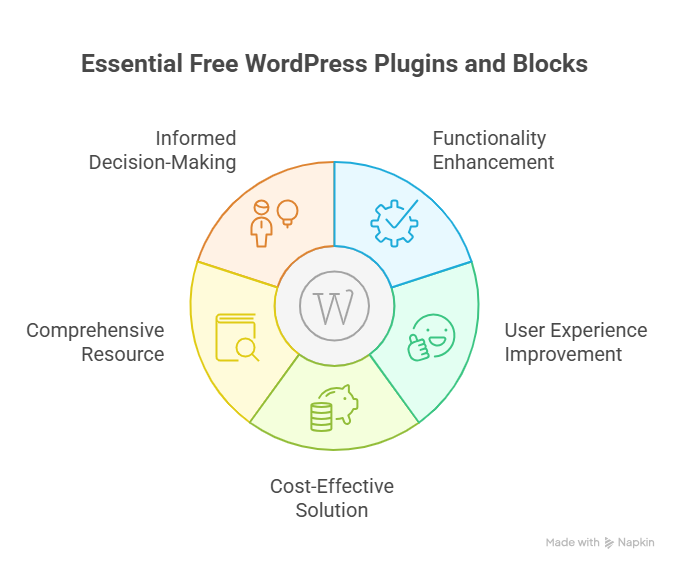
    Choosing the best WordPress plugins, including contact forms, social share tools, and free essentials, improves user experience and site performance. This blog will highlight the must-have WordPress plugins, the best free WordPress plugins, and how these solutions help you build a high-performing, reliable WordPress website. 

    Best Free WordPress Plugins and Blocks Essentials Guide 

    Best Free WordPress Plugins and Blocks Essentials Guide 

    Optimizing your WordPress website doesn’t always require premium tools. Many must-have WordPress plugins and blocks are free to use, offering powerful functionality that enhances performance, SEO, design, and user experience. This guide will walk you through the best free WordPress plugins and WordPress blocks essentials to build a professional site efficiently. 

    Why Use Free WordPress Plugins? 

    Step 1: Cost-effective solutions

    A free version of a plugin allows you to test features without financial risk. Many popular plugins offer a free plan, enabling you to enhance your WordPress page, blog posts, or online store.

    Step 2: Easy installation and setup 

    You can quickly install plugins for WordPress from the dashboard. Top WordPress plugins are typically easy for WordPress users to configure, even without coding experience. 

    Step 3: Test before upgrading 

    Using a free WordPress plugin allows you to evaluate functionality before investing in premium plugins. This approach ensures you only pay for features that truly benefit your site. 

    Essential Free Plugins and Their Benefits 

    WordPress Page and Blog Enhancements 

    • Elementor Website Builder:  One of the best WordPress page and block editors, offers a free plan to design custom layouts. 
    • WordPress Blocks: Enhances your WordPress blog and pages with flexible content sections without coding. 

    SEO and Performance Plugins 

    • Best WordPress SEO Plugin: Improves search rankings using free on-page optimization tools. 
    • WordPress Image Optimization Plugin: Compresses images to speed up page load and improve UX. 

    Forms, CRM, and Email Plugins 

    • Best WordPress Contact Form Plugin: Allows easy form creation for inquiries or subscriptions. 
    • WordPress SMTP: Ensures reliable email delivery for notifications and campaigns. 
    • WordPress CRM Integration: Connects your site with popular email marketing services. 

    Security, Backup, and Maintenance 

    • WordPress Backup Plugin: Protects your site with scheduled backups. 
    • WordPress Login Security: Strengthens login pages against unauthorized access. 

    How to Choose the Best Free WordPress Plugins 

    Step 1: Identify your needs 

    Determine whether you need plugins for WordPress blogs, pages, forms, or eCommerce functionality. 

    Step 2: Check popularity and reviews 

    Use popular WordPress plugins with high ratings to ensure stability and compatibility. 

    Step 3: Test functionality 

    Install the free version and evaluate if it meets your requirements. Some tested the best WordPress plugins offer both free and premium features for extended options. 

    Step 4: Ensure compatibility 

    Verify that each plugin works with your custom WordPress theme and other installed plugins to avoid conflicts. 

    Tested the Best WordPress Plugins for Online Store 

    Running a successful online store on WordPress requires the right tools. Using tested the best WordPress plugins ensures your site is fast, secure, SEO-friendly, and engaging for visitors. Here’s a breakdown of essential plugins and how they help your store: 

    Essential Plugins for Store Performance 

    • WooCommerce: The most widely used eCommerce plugin. It allows you to manage products, inventory, payments, and shipping efficiently. Most used WordPress stores rely on it to create a scalable online store. 
    • WordPress Image Optimization Plugin: Compresses and optimizes images to improve load times and overall site performance. Fast-loading product pages improve user experience and enhance your WordPress SEO. 
    • Best WordPress SEO Plugin: Helps optimize product pages, categories, and WordPress posts for search engines. Improved SEO drives organic traffic and boosts sales. 
    • Best WordPress Security Plugin: Protects your self-hosted WordPress store from malware, attacks, and unauthorized logins, keeping customer data safe. 

    Plugins to Enhance Customer Engagement 

    • WordPress Form Builder: Lets you create custom forms for contact, feedback, or special orders. Easy setup ensures smooth communication with customers. 
    • WordPress CRM Integration: Connects your store to popular email marketing services. Helps grow your email list and manage customer relationships efficiently. 
    • Email Delivery Plugins: Ensures all order confirmations, updates, and notifications reach customers reliably, improving trust and experience. 
    • Social Media Plugins: Encourage product sharing on social platforms to expand reach and engagement. 

    Plugins for Design and User Experience 

    • Best WordPress Gallery Plugin: Display product images professionally, allowing customers to view products in detail. 
    • Cool WordPress Plugin for Layouts: Offers custom layouts and WordPress blocks to enhance your WordPress store design without coding. 
    • Free Essentials and Free Options: Many plugins offer a free version, letting you add functionality without immediate cost. 

    Optimization and Performance 

    • Optimization Plugins: Improve caching, reduce page load times, and maintain smooth site performance. 
    • WordPress Code Snippets: Add custom functionality safely without editing core files, making your create WordPress projects more flexible. 
    • Using the Top WordPress Plugins: Combining performance, SEO, and engagement plugins ensures your store becomes a best site for visitors and customers. 

    Key Takeaways 

    • Choosing tested the best WordPress plugins ensures speed, security, SEO, and smooth user experience. 
    • Many free to use plugins and free essentials allow you to start cost-effectively and scale later with premium plugins. 
    • Proper plugin selection helps you enhance your WordPress online store, build WordPress pages professionally, and maintain long-term business growth. 

    Conclusion 

    Choosing the right WordPress plugins can transform your website or online store from ordinary to high-performing. From speed and security to SEO, design, and customer engagement, the must-have WordPress plugins discussed in this guide both free and premium ensure your site runs efficiently and delivers a professional user experience. By carefully selecting and testing plugins, you can enhance your WordPress website, optimize content, improve performance, and maintain long-term growth without unnecessary costs. 

    With the right tools, even a self-hosted WordPress site can compete with the best in design, functionality, and user satisfaction. Free essentials and well-coded plugins provide a cost-effective starting point, while premium options help scale your online store as your business grows. Following this structured approach ensures your WordPress site remains secure, fast, and conversion-focused. 

    Do you know why you should contact Integriti Studio today? 

    Frequently Asked Questions (Must-Have WordPress Plugins for Premium Website Performance)

    How can plugins improve performance in WordPress?

    Plugins improve WordPress performance by enhancing speed, SEO, security, and functionality, automating tasks, optimizing databases, managing caching, and providing advanced features without heavy custom coding.

    What are the must-have plugins for WP?

    Must-have WordPress plugins include SEO tools, caching and performance optimizers, security plugins, backup solutions, contact forms, analytics, page builders, and social media integration for website efficiency.

    How to improve WordPress website performance?

    Improve WordPress performance by optimizing images, using caching plugins, minimizing code, selecting a lightweight theme, updating plugins, leveraging CDNs, optimizing databases, and ensuring fast, responsive design.

    What is the best performance plugin for WordPress?

    The best performance plugin for WordPress is one that optimizes caching, compresses files, improves load speed, enhances SEO, manages databases, and ensures smooth, responsive website performance.

  • Sleek Shopify Theme for Optimal Premium Shopping Experience 

    Sleek Shopify Theme for Optimal Premium Shopping Experience 

    Sleek Shopify Theme for Optimal Premium Shopping Experience 

    Why do some Shopify businesses convert visitors effortlessly while others struggle to drive sales? The answer often lies in performance-focused design, professional development, and long-term maintenance. Choosing a sleek shopify theme is not only about visuals; it directly affects loading speed, layout clarity, and the overall shopping experience. 

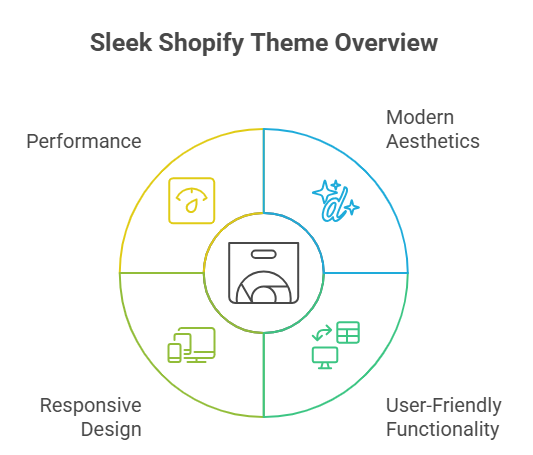
    A sleek Shopify theme enhances shopping experience through clean design, fast loading, and optimized layouts, helping businesses improve conversions, build trust, and drive consistent online sales. 

    A sleek shopify theme helps your Shopify store stay fast, clean, and conversion-ready. When a shopify theme is professionally built, it supports smoother navigation, better structure, and reliable updates. Many brands invest in premium development because even a modest pricing difference can improve stability, reduce technical issues, and increase sales over time. Smart theme choices also strengthen customer trust and usability. 

    This blog explores how a sleek shopify theme improves performance, why professional Shopify development matters, and how the right sleek shopify theme supports scalable growth for a successful online business. 

    Why a Sleek Shopify Theme Improves Conversion and Sales

    Why a Sleek Shopify Theme Improves Conversion and Sales

    Choosing the right sleek shopify theme can significantly impact your Shopify store’s conversion rates and overall sales. A well-designed theme is more than just aesthetic—it improves user experience, streamlines navigation, and provides an optimal shopping environment for your customers. Here’s how it works, step by step. 

    Step 1: Clean Design for Better Engagement 

    A sleek shopify theme uses a clean design that highlights products without overwhelming users. By focusing on simplicity and clarity, your shopping experience becomes intuitive, making it easier for customers to browse, add items to their cart, and complete purchases. A clean design for boosted sales ensures that every visual element, from buttons to product showcases, encourages action rather than distraction. 

    Step 2: Optimized Navigation and Layout 

    Navigation plays a key role in conversion. A sleek shopify theme provides intuitive navigation, well-structured menus, and responsive layouts. Features like zoom on product images, mobile compatibility, and organized sections allow users to explore your store efficiently. Optimizing these elements reduces bounce rates and keeps customers engaged longer. 

    Step 3: Built-In Performance and Flexibility 

    Modern ecommerce website templates in a sleek shopify theme come with built-in features that optimize loading speeds, checkout efficiency, and SEO readiness. Themes often include documentation and presets for faster configuration and easy customization, allowing your Shopify store to launch quickly while maintaining high-converting standards. 

    Step 4: Enhancing the Shopping Experience 

    By combining visual appeal, responsive design, and smooth navigation, a sleek shopify theme elevates the shopping experience. Customers enjoy a seamless journey from product discovery to checkout. The theme’s advanced features and flexibility also support customization, ensuring your store aligns with your brand identity while improving customer satisfaction. 

    Step 5: Long-Term Conversion Benefits 

    Investing in a sleek shopify theme doesn’t just improve immediate sales; it enhances long-term growth. Optimized user experience, visual hierarchy, and professional design reduce bounce, increase engagement, and encourage repeat purchases. Properly chosen shopify store themes create a foundation for scalability, making your e-commerce operations efficient, future-proof, and profitable. 

    Conclusion 

    A sleek Shopify theme is more than just a visually appealing template it’s a strategic investment in your store’s performance, conversions, and long-term growth. By prioritizing clean design, optimized navigation, built-in performance, and a seamless shopping experience, businesses can boost sales, build customer trust, and create a scalable online presence. Professional theme development ensures your store remains fast, flexible, and future-ready, turning casual visitors into loyal customers. 

    So, why wait what’s stopping you from contacting Integriti Studio today? 

    Frequently Asked Questions (Sleek Shopify Theme for Optimal Premium Shopping Experience )

    What is the benefit of Shopify premium theme?

    A Shopify premium theme enhances website performance, offers professional design, improves user experience, boosts conversions, ensures responsiveness, supports customization, and provides reliable updates and long-term maintenance.

    How to optimize a Shopify theme?

    Optimize a Shopify theme by improving site speed, using clean code, compressing images, implementing responsive design, enhancing SEO, minimizing apps, and ensuring smooth navigation for better user experience.

    How does the Shopify theme work?

    A Shopify theme controls a store’s design, layout, and functionality by using templates, CSS, HTML, and JavaScript, enabling responsive, customizable, and interactive shopping experiences.

    How do you approach customizing a Shopify theme for a client’s specific needs?

    Customizing a Shopify theme involves understanding client goals, adjusting layouts, colors, and fonts, adding apps, optimizing functionality, ensuring responsiveness, and testing for a seamless user experience.

  • Web Development Strategies for Premium Digital Agency Success 

    Web Development Strategies for Premium Digital Agency Success 

    Web Development Strategies for Premium Digital Agency Success 

    Why do some websites convert better while others struggle? The secret lies in effective web development. Factors like clean front-end coding with HTML, CSS, and JavaScript, a robust back-end using PHP, Python, or Java, and a well-structured database all shape website performance. Even web applications rely on proper frameworks, server-side logic, and responsive design to deliver seamless experiences. 

    Effective web development combines skilled web developers, clean front-end and back-end coding, responsive web pages, optimized web applications, and ongoing maintenance for premium agency success. 

    A skilled web developer ensures your web pages are interactive, fast, and secure. From markup and cascading style sheets to programming languages and coding best practices, professional development creates real value. With ongoing support and maintenance, your website becomes more than a digital presence it becomes a business asset. Typical professional projects start from a few thousand dollars depending on complexity. 

    In this blog, you’ll learn key web development strategies, how to structure front-end and back-end workflows, and tips to make your site responsive, interactive, and future-ready. 

    Learn Web Development Tools For Long-Term Success 

    Learn Web Development Tools For Long-Term Success

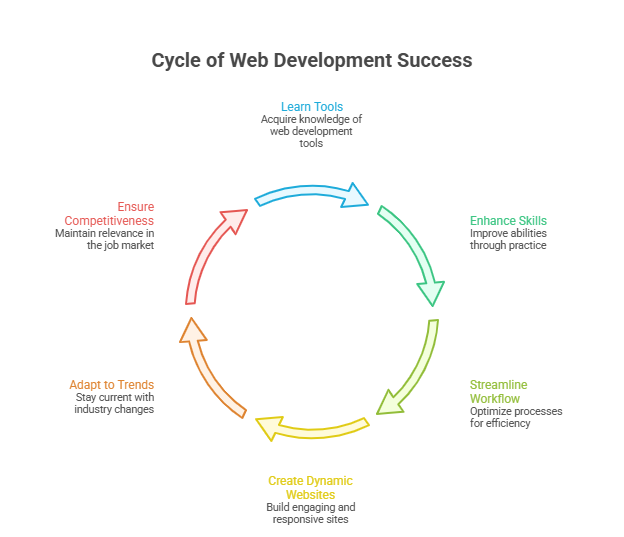
    Mastering the right web development tools is essential for building scalable, interactive, and professional websites. Whether you aim to become a front-end developer, back-end developer, or a full-stack developer, understanding these tools will shape your long-term success. 

    Core Front-End Tools 

    • HTML, CSS, and Sass: The foundation of front-end web development, creating structured and visually appealing websites and web pages. 
    • JavaScript (JS) & jQuery: Enable dynamic, interactive web elements; essential to learn JavaScript for modern web programming. 
    • Bootstrap & Responsive Web Design: Ensures your web pages look great on all devices with mobile-first, responsive design layouts. 
    • Front-end Frameworks: Tools like React.js, Vue.js, Next.js, and Redux help manage interface states and build scalable applications. 

    Essential Back-End Tools 

    • Node.js & Django: Popular frameworks for back-end web development, enabling efficient building web server-side logic. 
    • SQL, MySQL, NoSQL Databases, and Relational Databases: Manage and structure data for robust back-end development. 
    • APIs & Server-side Integration: Connect front-end web interfaces with databases and third-party services. 
    • Python, PHP, and Java: Core web programming languages for server-side tasks. 

    Full-Stack & Version Control Tools 

    • Git & GitHub: Essential version control for tracking changes in your projects and collaborating with teams. 
    • Full-Stack Development: Combines front-end web and back-end web expertise for full-stack developers. 
    • AWS & Open-Source Tools: Host, deploy, and scale websites securely using cloud services and open-source libraries. 

    Additional Skills for Success 

    • Markup Language & XML: Organize and structure data efficiently for interactive web features. 
    • Data Structures & Syntax Mastery: Essential for solving programming challenges in web programming
    • Online Courses & Web Development Courses: Continuous learning ensures you stay updated with the latest website development trends. 
    • User Interface & Responsive Design: Focus on usability, accessibility, and seamless interface interactions across devices. 

    How Front-End And Back-End Choices Impact Performance 

    The performance, scalability, and user experience of your website are deeply influenced by the front-end and back-end technologies you choose. Making informed decisions ensures faster load times, interactive interfaces, and easier maintaining websites over time. 

    Choosing the Right Front-End Framework 

    Selecting a popular front-end framework like Vue is crucial for creating responsive and dynamic web interfaces. Frameworks like these allow developers to write code efficiently, reuse components, and maintain a clean structure. Following solid design principles ensures that pages are visually consistent, accessible, and optimized for performance. By focusing on best practices, you can deliver interactive features that engage users while reducing rendering time. 

    Optimizing Back-End Architecture 

    Your back-end choices define how quickly data is processed and delivered to users. Using a reliable database such as PostgreSQL enables smooth handling of complex queries. Applying object-oriented programming principles helps build fast, maintainable applications, making maintaining websites over time much simpler. Choosing popular programming languages tailored to your project ensures efficient integration with the front-end, enabling scalable and secure server-side operations. 

    Integrating Front-End and Back-End Systems 

    A seamless connection between front-end and back-end is key to delivering smooth user experiences. Optimized APIs and proper server-side logic allow you to create dynamic content without lag. Careful coordination ensures that interactive features work reliably, performance remains high, and maintaining websites is easier in the long term. By combining these strategies, your website can achieve faster load times, improved responsiveness, and a professional, modern design. 

    Conclusion 

    Successful digital agencies understand that premium website performance is not accidental it is the result of strategic web development. From mastering front-end frameworks like Vue and responsive web design to optimizing back-end architecture with PostgreSQL and object-oriented programming, every choice impacts speed, scalability, and user engagement. Skilled web developers who follow design principles, implement clean front-end and back-end coding, and leverage modern web programming tools create interactive, secure, and future-ready websites. Continuous learning through web development courses and proper use of version control, APIs, and cloud services like AWS ensures that websites remain maintainable and adaptable over time. 

    When these strategies are combined, your digital presence transforms into a high-performing business asset, not just a website. 

    So, if you’re ready to elevate your projects and achieve measurable results, why not see what Integriti Studio can do for your business today? 

    Frequently Asked Questions (Web Development Strategies for Premium Digital Agency Success )

    What does a web development agency do?

    A web development agency designs, develops, and maintains websites and web applications, handling front-end and back-end coding, responsive design, server-side integration, and ongoing technical support.

    What makes an agency successful?

    An agency succeeds by delivering high-quality services, effective project management, skilled professionals, innovative strategies, client-focused solutions, strong communication, consistent results, and ongoing support for long-term growth.

    What are the web development strategies?

    Web development strategies include optimizing front-end and back-end coding, using responsive design, selecting proper frameworks, ensuring database efficiency, integrating APIs, maintaining websites, and following best programming practices.

    How to create a web development agency?

    To create a web development agency, define your services, hire skilled developers, build a strong portfolio, use modern tools, attract clients, and deliver high-quality, scalable websites.

  • Reliable WordPress Development Services For Success 

    Reliable WordPress Development Services For Success 

    Reliable Wordpress Development Services For Success 

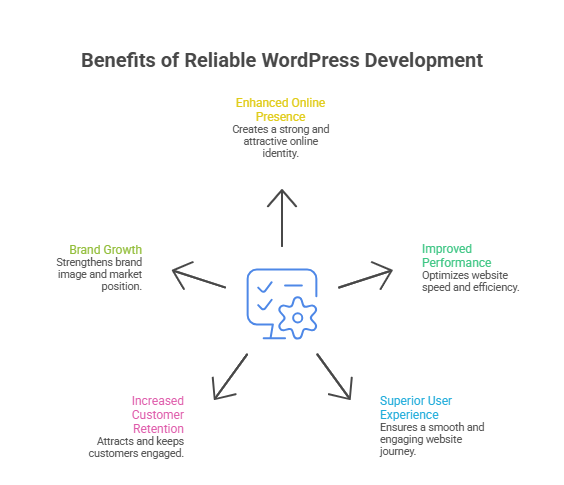
    Why do some websites fail while others thrive? The difference is often the expertise behind your WordPress site. Key factors like speed, security, plugin management, and responsive design influence performance. Choosing WordPress development companies that offer reliable wordpress development services ensures your site runs smoothly. The best WordPress solutions include custom themes, plugin development, and ongoing support provided by a trusted development agency. 

    Reliable WordPress development services help businesses build scalable, secure websites. Top WordPress development companies provide custom themes, plugin development, and ongoing support for long-term success. 

    A professional development agency can guide your project through a clear development process, combining wordpress development companies’ experience with wordpress development services to deliver scalable, secure websites. Even a small investment in top-tier services can greatly enhance your best WordPress experience and overall site performance. 

    This blog will cover how smart WordPress development companies and services improve your wordpress development services, the value of professional support, and why choosing the best WordPress solutions is key to long-term success. 

    Top WordPress Development Companies Driving Business Success 

    Partnering with the right WordPress development agencies is crucial for building a business website that performs, converts, and grows over time. Here’s a step-by-step breakdown of how top companies deliver reliable WordPress solutions: 

    Step 1: Assess Your Business Needs 

    The best WordPress development companies start by understanding your goals. They evaluate whether you need a custom website, e-commerce via WordPress and WooCommerce, or mission-critical WordPress applications. This ensures every feature aligns with your business strategy. 

    Step 2: Plan WordPress Website Design and Development 

    Leading agencies create a detailed wordpress website design and development blueprint. This includes wordpress web design, UX/UI considerations, responsive layouts, and website design and development strategies that maximize user engagement and conversions. 

    Step 3: Implement Custom Solutions and Plugins 

    Top best WordPress development agencies handle custom plugin development, full-stack development, and integrate WordPress core features. They tailor wordpress web development company solutions to your unique requirements, ensuring a professional WordPress experience. 

    Step 4: Testing, Launch, and Ongoing Support 

    Before launch, agencies conduct rigorous testing for speed, security, and performance. They provide WordPress support, ongoing development, and full-service WordPress development to keep your website scalable and secure. 

    Step 5: Optimize for Growth and Ecosystem Integration 

    The top WordPress development companies leverage wordpress VIP, wordpress projects, and wordpress community insights to ensure your website stays updated, aligns with best practices, and contributes to shaping the WordPress ecosystem. 

    Choosing Best WordPress Development Agencies And Developers 

    Selecting the right WordPress development partner is critical for building reliable WordPress websites that perform, scale, and deliver measurable results. The decision impacts everything from design and functionality to long-term support and ongoing development. Here’s how businesses can make an informed choice: 

    1. Evaluate Expertise and Experience in WordPress 

    Top WordPress development agencies and experienced WordPress developers bring deep knowledge about WordPress and a proven WordPress development process. They don’t just build websites they offer development solutions that address your business goals, whether you need custom WordPress solutions, mission-critical WordPress applications, or scalable and secure websites. 

    a. Specialized and Full-Service Approach 

    Look for a full-service WordPress development agency or a development company that specializes in WordPress. Such teams provide development and full-stack capabilities, ensuring your site is designed, developed, and maintained with precision. 

    b. Team of Skilled WordPress Experts 

    A strong agency has a team of WordPress experts, including skilled WordPress developers, designers, and support staff. Their expertise ensures your project is handled efficiently, from WordPress implementation to wordpress design and development. 

    2. Review Track Record and Reputation 

    Look at agencies’ portfolios, client testimonials, and contributions to the WordPress community. Top WordPress development companies actively engage in shaping the WordPress ecosystem, participate in forums, and maintain standards similar to a WordPress VIP gold agency. This demonstrates reliability and a commitment to best practices. 

    3. Focus on Comprehensive Development Support 

    A reliable partner offers development support beyond launch. This includes ongoing development, hosting recommendations (WordPress hosting), updates, security, and custom WordPress solutions. Agencies offering web design and development services ensure your website evolves with your business. 

    4. Assess Fit for Your Business Needs 

    The right WordPress development agency aligns with your objectives. They provide comprehensive WordPress services, custom WordPress solutions, and guidance if you are looking for a WordPress project tailored to your business. Using agencies that are also a WordPress VIP or have experience with mission-critical WordPress projects adds confidence. 

    Conclusion 

    Choosing the right WordPress development companies and leveraging reliable WordPress development services can make all the difference between a website that simply exists and one that drives business growth. From custom WordPress solutions and plugin development to ongoing development and support, top agencies ensure your wordpress website design is scalable, secure, and optimized for long-term success. Evaluating expertise, reputation, and alignment with your business needs helps you pick best WordPress developers who don’t just build websites—they deliver measurable results while shaping the WordPress ecosystem. 

    Investing in a professional development agency not only enhances your site’s performance but also ensures your business adapts smoothly as technology and trends evolve. With the right guidance, your WordPress projects can remain mission-critical, reliable, and future-ready. 

    Are you ready to see how Integriti Studio can transform your WordPress website into a growth-driving asset? 

    Frequently Asked Questions (Reliable Wordpress Development Services For Success )

    Who is the best WordPress developer?

    The best WordPress developer is skilled in custom themes, plugins, SEO, and security, delivers reliable support, understands client goals, and consistently builds fast, scalable, high-performing websites.

    Which company provides the most reliable WordPress development services in the USA?

    The most reliable WordPress development services in the USA are provided by agencies like ProtonBits (top custom WordPress solutions), Digital Silk (high‑performance builds), FreshySites (fast, secure sites), and WebDevStudios (experienced enterprise‑level development).

    Can ChatGPT build a WordPress website?

    Yes, ChatGPT can guide, plan, and generate code for a WordPress website, including themes, plugins, and content, but cannot directly host or deploy the site.

    What is the salary of WordPress developer in Pakistan?

    In Pakistan, a WordPress developer typically earns around PKR 45,000–60,000 per month on average, with entry‑level roles at ~PKR 25,000–40,000 and experienced/senior developers often earning PKR 80,000–150,000+ per month depending on skills and city.

  • Optimized Shopify Ecommerce Stores For Seo 

    Optimized Shopify Ecommerce Stores For Seo 

    Optimized Shopify Ecommerce Stores For Seo

    Why do some Shopify businesses fail to gain visibility despite solid products? The answer lies in how Optimized Shopify Ecommerce Stores For Seo are built. Strong seo depends on smart optimization, proper keyword use, and a shopify store structure that helps search engine algorithms understand your ecommerce content. When you optimize each product page with clear product descriptions, effective meta description, and clean technical setup, search results and organic traffic improve naturally. 

    Optimized Shopify Ecommerce Stores For Seo improve visibility, organic traffic, and conversions by combining technical optimization, smart keywords, fast performance, and professional Shopify store development. 

    Professional development ensures your online store delivers speed, usability, and long-term performance. Optimized Shopify Ecommerce Stores For Seo focus on user experience, resolve seo issues, and use seo strategies supported by shopify apps and tools like Google. 

    This blog explains how Optimized Shopify Ecommerce Stores For Seo are created, how Optimized Shopify Ecommerce Stores For Seo improve growth, and which optimization choices drive sustainable ecommerce success. 

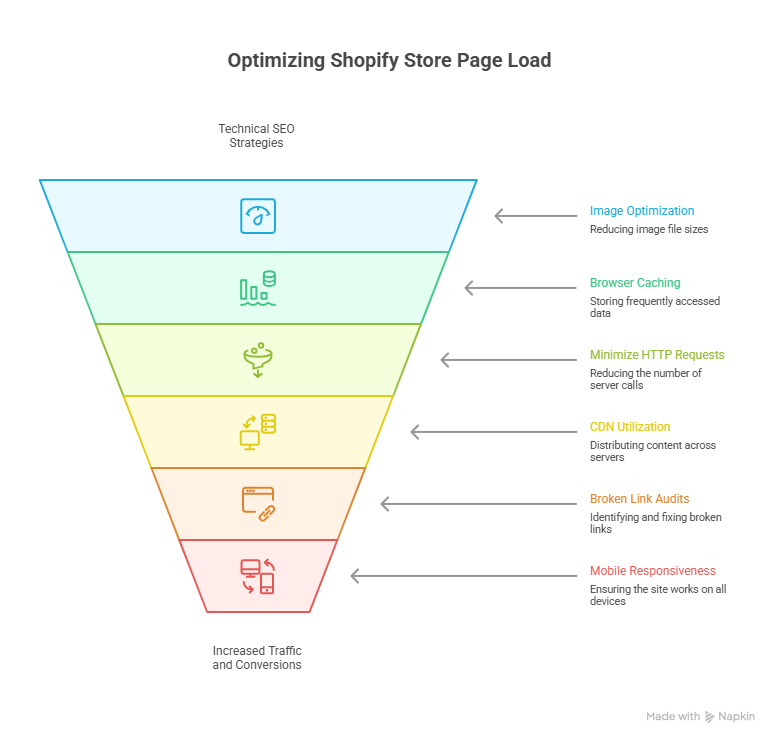
    Technical SEO Strategies To Optimize Shopify Store Page Load 

    Technical SEO Strategies To Optimize Shopify Store Page Load 

    Fast performance is a defining factor behind Optimized Shopify Ecommerce Stores For Seo. When page load is slow, an ecommerce store loses visibility, engagement, and trust. Technical SEO focuses on strengthening the foundation of an ecommerce store so search engines and users experience speed, stability, and clarity. Below are practical steps agencies follow when building Optimized Shopify Ecommerce Stores For Seo that perform consistently. 

    Step 1: Build a Speed-Focused Technical Foundation 

    Technical seo starts with minimizing unnecessary scripts, reducing file sizes, and managing server requests. A lightweight structure helps an ecommerce store load faster and reduces seo issues that affect crawl efficiency. For Optimized Shopify Ecommerce Stores For Seo, faster page load sends a positive signal to search engines and directly improves search rankings. 

    Step 2: Improve Core Performance Metrics 

    Page speed is closely tied to core web vitals, which measure loading, interaction, and visual stability. Agencies monitor these metrics to ensure the ecommerce store meets performance benchmarks. Addressing layout shifts, image rendering, and script delays strengthens Optimized Shopify Ecommerce Stores For Seo while supporting long-term seo value. 

    Step 3: Optimize Theme and Code Structure 

    A well-coded Shopify theme reduces bloat and improves load efficiency. Clean HTML, compressed assets, and efficient CSS allow an ecommerce store to scale without performance loss. This approach aligns with shopify seo standards and ensures Optimized Shopify Ecommerce Stores For Seo remain stable as content grows. 

    Step 4: Strengthen Internal Architecture 

    Clear internal linking helps distribute authority and improves crawl paths across the ecommerce store. Structured navigation ensures important pages load quickly and are easily indexed. These refinements are essential when building Optimized Shopify Ecommerce Stores For Seo that support both usability and discoverability. 

    Step 5: Monitor and Refine Continuously 

    Ongoing audits identify performance gaps before they become growth barriers. Using professional workflows, agencies apply shopify seo tips to resolve technical inefficiencies and prevent recurring seo issues. This continuous refinement is what separates average builds from Optimized Shopify Ecommerce Stores For Seo. 

    Shopify SEO Tips For Product Page Optimization Success 

    Optimizing each product page is key for any ecommerce store aiming for better visibility, higher conversions, and long-term seo success. Below are actionable shopify seo tips for product page optimization: 

    1. Optimize Your Shopify Theme for Speed and SEO 

    • Choose a lightweight shopify theme to improve page load times and user experience. 
    • A well-coded theme supports technical seo and ensures your shopify store’s pages load efficiently. 
    • Fast page load enhances seo value and sends a positive signal to search engines like Google. 

    2. Use Technical SEO for Product Pages 

    • Implement structured data and schema to strengthen technical seo. 
    • Address seo issues like duplicate content or missing tags. 
    • Monitor core web vitals to ensure pages are stable and responsive. 
    • A technically sound page reduces errors and helps shopify store’s organic traffic grow consistently. 

    3. Optimize Your Shopify Store’s Content 

    • Create unique product descriptions and titles for seo for shopify. 
    • Include primary keywords to boost your seo. 
    • Add relevant images with proper alt text to improve accessibility and seo value. 
    • A complete, optimized product page supports seo for your shopify store and enhances conversions. 

    4. Strengthen Internal Linking 

    • Use internal linking to connect related products, collections, and categories. 
    • Helps search engines crawl the ecommerce store efficiently. 
    • Improves shopify store for seo by distributing page authority to important product pages. 
    • Reduces seo issues by ensuring no page is orphaned or hidden. 

    5. Maintain Fast Page Load Across Devices 

    • Optimize images, compress files, and remove unnecessary scripts to improve page load. 
    • Ensure the store loads quickly on mobile and desktop for better user experience. 
    • Slow loading pages can hurt search rankings and signal poor seo value to search engines. 

    6. Use Shopify SEO Apps and Tools 

    • Install seo apps for automated improvements like meta tags, structured data, and image optimization. 
    • Monitor performance with tools like Google Analytics or tools like Google Pagespeed Insights. 
    • These tools help optimizing your shopify store and resolving seo issues quickly. 

    7. Monitor SEO Performance Continuously 

    • Track keyword rankings, organic traffic, and product page performance. 
    • Regular audits ensure the store’s seo remains effective and your shopify store’s organic traffic grows. 
    • Address seo issues promptly to maintain consistent seo success for your ecommerce store. 

    Conclusion 

    Optimizing a Shopify store for SEO is not a one-time task it’s an ongoing process that combines technical seo, fast page load, structured content, smart keyword use, and continuous monitoring. Optimized Shopify Ecommerce Stores For Seo deliver better visibility, higher organic traffic, and improved conversions by focusing on both user experience and search engine requirements. From building a speed-focused foundation to refining product pages, strengthening internal linking, and using seo apps, every step ensures your ecommerce store stays competitive and sustainable. Professional development and well-executed shopify seo tips make the difference between an average store and a successful Shopify store that scales with growth. 

    Who should you contact at Integriti Studio to start optimizing your Shopify store today? 

    Frequently Asked Questions (Optimized Shopify Ecommerce Stores For Seo)

    How to SEO optimize a Shopify store?

    Optimize a Shopify store by using keywords in titles, descriptions, meta tags, alt text, clean URLs, fast loading, mobile-friendly design, quality content, and backlinks.

    Is Shopify good for SEO?

    The best SEO tool for Shopify is Avada SEO Suite for all‑in‑one optimization, followed by Yoast SEO and TinyIMG for metadata and speed improvements. For deeper keyword research and analytics, Semrush or Google Search Console are top choices too.

    Which SEO tool is best for Shopify?

    The best SEO tool for Shopify is Avada SEO Suite for comprehensive optimization, with Yoast SEO, TinyIMG, Semrush, and Google Search Console also excellent for keywords and performance.

    What’s the best SEO strategy for eCommerce websites?

    The best SEO strategy for eCommerce websites includes keyword research, optimized product pages, quality content, fast loading speed, mobile-friendly design, structured data, backlinks, and regular performance analysis.

  • Modern WordPress Websites With Advanced Features 

    Modern WordPress Websites With Advanced Features 

    Modern WordPress Websites With Advanced Features 

    Why do some businesses achieve better results with wordpress while others struggle to scale? The performance of a modern wordpress website depends on smart decisions around layout, navigation, user experience, and seo. Choosing the right wordpress themes, typography, and responsive web design directly impacts how users interact with your wordpress website and trust your brand. 

    Modern WordPress websites combine advanced features, responsive design, strong SEO, smart plugins, and customization to deliver secure, scalable, high-performing business experiences that convert users effectively. 

    Professional development adds real value to wordpress projects through proper customization, secure wordpress plugins, optimized plugin usage, and scalable solutions like woocommerce. While a template may help when building a website, expert teams customize every wordpress site to support long-term growth. Typical projects often start at a basic range and increase based on features and support needs. 

    By reviewing wordpress website examples, best wordpress websites, portfolio trends, and advanced plugins, this blog explains how wordpress strategy, design, and maintenance work together to create high-performing business websites. 

    Modern WordPress Websites With Advanced Business Features 

    Modern WordPress Websites With Advanced Business Features 

    Step 1: Strategic Foundation For Business Growth 

    A successful business website starts with clear goals and the right platform. Many sites built today are built with WordPress because it is a powerful content management system that allows you to use WordPress for scalability, flexibility, and control. From wordpress.com solutions to professional WordPress development, planning ensures your modern website follows proven best practices and industry standards. 

    Step 2: Design That Enhances User Engagement 

    A modern design focuses on clean design, minimalist design, and strong readability. Proper font selection, structured header and footer, and thoughtful responsive design ensure the site remains mobile-friendly across devices. This responsive design approach creates an immersive experience that supports better user experience for new visitors and returning users alike. 

    Modern wordpress features include multimedia, customizable layouts, and smart site features powered by a reliable wordpress plugin. Clear cta placement and well-designed ctas guide users effectively, whether for e-commerce, ecommerce, or e-commerce sites. Many websites built with WordPress, including a news site or a website to showcase a portfolio, rely on seo-friendly structures and regular updates to stay competitive. 

    Step 3: Advanced Features That Drive Results 

    focuses on implementing advanced features that directly improve performance and conversions. Smart search, personalized recommendations, marketing automation, secure checkout, and detailed tracking through Google Analytics help businesses understand user behavior, optimize campaigns, enhance user experience, and ultimately drive consistent ecommerce growth.

    Step 4: Real-World Inspiration And Performance 

    Looking at best wordpress website examples and other best websites from popular WordPress and top WordPress projects shows how simple WordPress website foundations can scale into high-performing platforms. A website owner benefits from user-friendly management, clear table of contents, and optimized performance across all sites built for growth and conversions. 

    Best WordPress Website Examples With Responsive Design 

    What Makes These Websites Stand Out 

    • High-performing website showcases focus on structure, clarity, and consistency to support brand goals. 
    • The most effective examples rely on themes and plugins selected for performance, security, and long-term scalability. 
    • Strong layouts follow a clean grid layout that keeps content organized and visually balanced. 

    How Responsive Design Improves Results 

    • Responsive layouts adapt smoothly to different screen sizes, ensuring content remains readable and accessible. 
    • A mobile-first approach delivers a consistent experience across devices, improving engagement and retention. 
    • Sites that are easy to navigate reduce friction and help users reach key actions faster. 

    Design Elements That Enhance Interaction 

    • Successful projects prioritize design with easy navigation to guide users naturally through content. 
    • Interactive features such as animations and dynamic sections increase engagement without overwhelming users. 
    • Many designs include a hero section with event highlights to capture attention immediately. 

    Functional Additions That Add Value 

    • Integrated frequently asked questions sections address common concerns and support conversions. 
    • Visual storytelling is enhanced through photo gallery plugins that load efficiently and maintain quality. 
    • Businesses looking to discover the best responsive examples often choose designs that features a clean, modern structure focused on usability. 

    Conclusion 

    Modern WordPress websites with advanced features are not just about visual appeal; they are strategic business tools. When wordpress is planned correctly, supported by professional development, and enhanced with responsive design, seo-friendly structures, and scalable features, it becomes a reliable foundation for long-term growth. From clear layouts and strong user experience to smart plugins, customization, and regular updates, every element contributes to performance, credibility, and conversions. 

    The examples discussed show that successful wordpress websites balance design and functionality. Whether it’s a simple business website or a feature-rich platform, the right strategy ensures your site adapts to user needs, performs across devices, and supports future expansion. Investing in expert planning, development, and maintenance ultimately saves time, reduces risk, and delivers measurable results. 

    Ready to scale your WordPress website the right way should you connect with Integriti Studio today? 

    Frequently Asked Questions (Modern WordPress Websites With Advanced Features )

    How are modern websites developed?

    Modern websites are developed using responsive design, optimized code, modern frameworks, SEO best practices, strong security, fast performance, and user-focused UI/UX for scalability.

    What are the main features of WordPress?

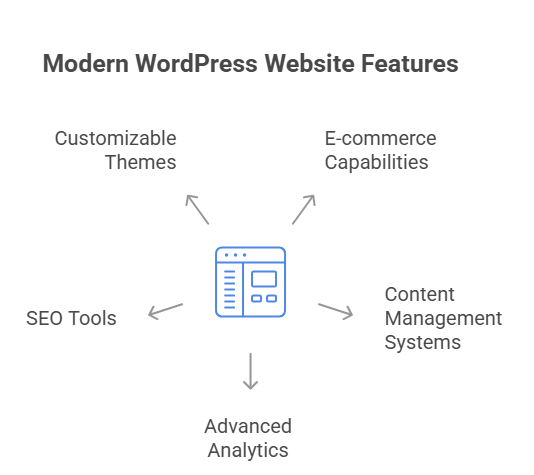
    WordPress features include customizable themes, plugins, SEO tools, responsive design, content management, media support, security, scalability, multisite management, and strong community support for websites.

    Where are advanced settings in WordPress?

    Advanced settings in WordPress are found in the dashboard under Settings, Appearance, Plugins, and Tools, allowing customization of SEO, permalinks, performance, security, and site functionality.

    What is the latest technology for WordPress?

    The latest WordPress technology includes Gutenberg block editor, full site editing (FSE), headless WordPress with REST API, optimized PHP, modern themes, and performance-focused plugins.

  • Expert WordPress DevelopersFor Custom Solutions 

    Expert WordPress DevelopersFor Custom Solutions 

    Expert Wordpress DevelopersFor Custom Solutions 

    Why do some WordPress websites struggle while others deliver seamless performance? The difference is often the expertise behind the build. Expert WordPress developers ensure your website is fast, secure, and designed for optimal user experience. From custom WordPress development and plugin development to theme development, dedicated WordPress developers provide tailored solutions that go beyond templates. 

    Expert WordPress developers deliver custom WordPress solutions, including themes, plugins, and site optimization. Hire a WordPress developer for professional development services and tailored WordPress solutions. 

    When you hire a WordPress developer or a WordPress expert, you gain access to professional WordPress development services, ongoing support, and a website optimized for conversions. Whether it’s a custom WordPress site, plugin integration, or a custom theme, professional development ensures your WordPress solutions meet business goals efficiently. 

    Smart WordPress Development Services for Long-Term Growth

    Smart WordPress Development Services for Long-Term Growth 

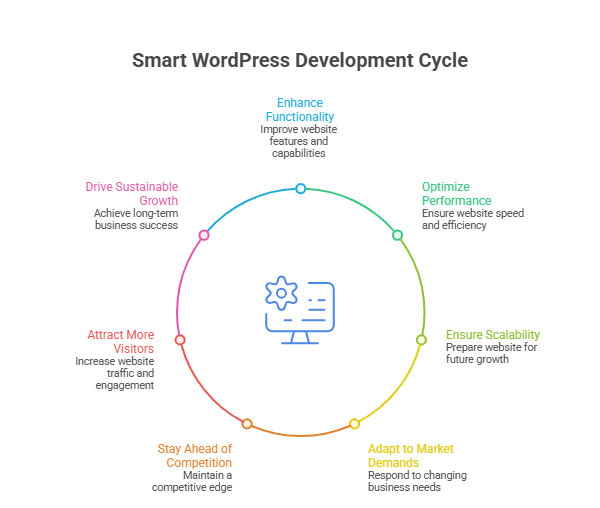
    Building a website today is not just about design it’s about creating a scalable, efficient, and high-performing digital platform. Smart WordPress development services focus on long-term growth by combining professional expertise, custom solutions, and ongoing support. Whether you are looking to hire dedicated WordPress developer or a team of WordPress developers, the right approach ensures your WordPress website development aligns with your business goals. 

    Step 1: Understanding Your Business Needs 

    Before starting any WordPress project, an experienced WordPress developer evaluates your objectives and audience. This step ensures that your custom WordPress website is designed to deliver measurable results. Skilled WordPress developers can plan the architecture, plugins, and functionality required to create custom WordPress solutions that scale with your business. 

    Step 2: Professional WordPress Development 

    Professional WordPress development services involve custom WordPress development services, including custom theme development, custom plugins, and plugin development tailored to your unique requirements. Using the WordPress platform, developers optimize your WordPress web development to provide fast load times, responsive design, and robust security. Hiring a professional WordPress developer ensures your website performs reliably under all conditions. 

    Step 3: Choosing the Right Team 

    Whether you are looking to hire skilled WordPress developers, freelance WordPress developers, or a dedicated developers team, selecting the right talent is critical. Skilled WordPress professionals bring experience in custom WordPress website development, WordPress plugin development, and custom solutions that enhance functionality and user experience. A leading WordPress development company ensures your WordPress web is built with future growth in mind. 

    Step 4: Implementation of Custom Solutions 

    Once the strategy is ready, the WordPress developers for custom work on creating custom WordPress solutions. This includes custom themes and plugins, integration of third-party tools, and custom plugin development for advanced functionality. By creating custom features, your WordPress website development stands out, offering users a seamless experience and businesses a competitive edge. 

    Step 5: Ongoing Maintenance and Support 

    Smart WordPress development services don’t stop at launch. Professional teams provide maintenance services, updates, and security checks to ensure your website remains reliable. Using WordPress plugins efficiently and maintaining a custom WordPress website keeps your platform optimized for traffic and conversions. Continuous support from experienced WordPress developers guarantees longevity and sustained growth. 

    Step 6: Achieving Long-Term Growth 

    By leveraging professional WordPress development, custom WordPress solutions, and a team of WordPress developers, businesses can create scalable, efficient, and high-performing WordPress websites. Investing in dedicated developers and custom WordPress website development ensures that your website is not only visually appealing but also future-proof and capable of supporting long-term growth. 

    Hire Dedicated WordPress Developer for Scalable Solutions 

    Scaling your website requires professional expertise, customized solutions, and reliable support. Leading WordPress development companies offer professional WordPress development services to build websites that grow with your business. 

    Define Your Goals 

    A clear plan ensures the right developer is chosen. If you want to hire skilled WordPress developers, focus on experience in delivering professional WordPress development and solutions tailored to your business needs. 

    Professional Development Services 

    Professional WordPress development services include custom web design, WordPress services, WordPress design and development, website to WordPress migration, and web solutions optimized for performance. 

    Build Custom Solutions 

    Developers to build your site create customized solutions, including custom themes and plugins, custom WordPress solutions, and scalable features. Hire skilled WordPress developers to ensure flexibility, security, and long-term growth. 

    Ongoing Support 

    Support and maintenance services from a leading WordPress development company keep your website updated and high-performing. Continuous professional WordPress development helps you avoid downtime and ensures reliable WordPress services. 

    Work with Experts 

    An expert team or WordPress developers from us provide end-to-end solutions. Whether you hire our skilled WordPress team or a team of WordPress developers, you get comprehensive WordPress expertise and scalable web solutions. 

    Conclusion 

    Investing in expert WordPress developers and professional WordPress development services ensures your website is not only visually appealing but also secure, fast, and built to scale. From custom WordPress solutions and plugin development to ongoing support and maintenance services, a dedicated team can transform your WordPress website into a high-performing platform that drives long-term growth. By choosing the right developer or a team of WordPress developers, you gain tailored, reliable web solutions designed to meet your business goals efficiently. 

    If you’re ready to elevate your WordPress web development with custom themes, plugins, and solutions, why not take the next step can you spot the smartest way to contact Integriti Studio today? 

    Frequently Asked Questions (Expert Wordpress Developers For Custom Solutions )

    How to become an expert WordPress developer?

    Become an expert WordPress developer by mastering PHP, themes, plugins, performance optimization, security, SEO basics, modern builders, Git, APIs, real projects, and continuous learning.

    How to find a WordPress expert?

    Find a WordPress expert by checking portfolios, reviews, freelance platforms, agencies, WordPress communities, certifications, technical skills, client references, project experience, and clear communication.

    What is the salary of WordPress developer in Pakistan?

    Average WordPress developer salary in Pakistan is about PKR 45,000‑55,000 per month, varying by experience and city; juniors earn ~25k‑40k, seniors ~80k‑150k+.

    Can ChatGPT build a WordPress website?

    ChatGPT can guide, generate code, suggest themes, plugins, and content, but cannot directly build or host a WordPress website; human implementation is required.