WordPress in 2025 what changed what worked & what’s next
Why do some WordPress sites thrive while others struggle to deliver results? Performance is not accidental it depends on factors like server reliability, plugin efficiency, theme choices, and overall workflow. For businesses navigating WordPress in 2025, understanding these elements is essential to avoid unnecessary loss and ensure a platform that supports growth.
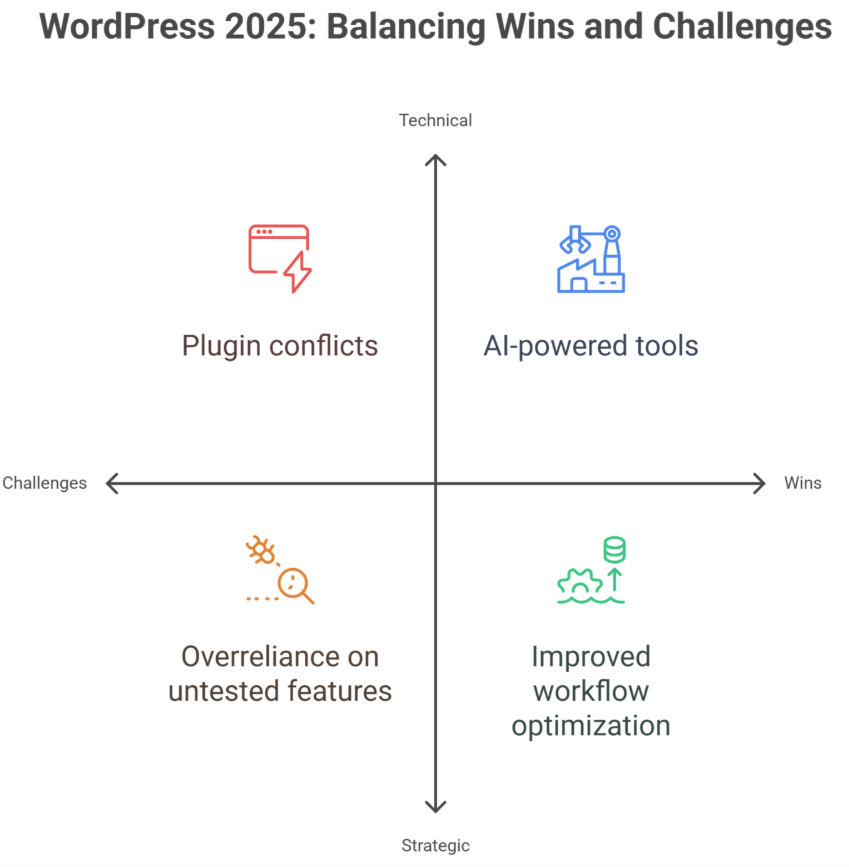
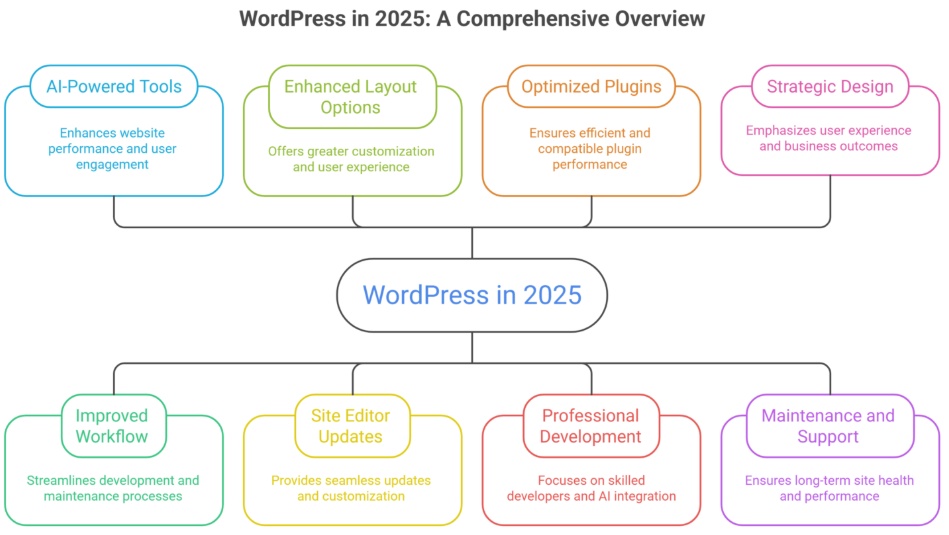
WordPress in 2025 introduced AI-powered tools, improved workflow, and enhanced layout options, helping websites perform better and engage users. Wins include seamless site editor updates and optimized plugins, while misses involve occasional compatibility issues. Key lessons highlight professional development, maintenance, and strategic design for long-term success.
Professional development remains a key differentiator. Investing in skilled developers allows you to leverage AI-powered features, optimize coding standards like PHP, and maintain seamless updates using tools like Gutenberg and the site editor. A well-trained team ensures that design, layout, and user experience are not compromised, turning technical wins into measurable business outcomes.
Good design, thoughtful support, and consistent maintenance translate into real value higher engagement, faster load times, better caching, and streamlined workflow. Even small projects can range from a few hundred to several thousand dollars depending on customizations, plugins, and built-in features, reflecting the actual costs behind a high-performing WordPress site.
Key Changes in WordPress 2025 Every Developer Should Know
WordPress in 2025 continues to evolve, introducing features and workflows that developers need to understand to stay ahead. Here’s a structured overview:
WordPress 6.9 and Core Updates
- WordPress 6.9 launched with enhanced global styles, better CSS customization, and smoother full site editing.
- WordPress core improvements improve page load speed, reduce plugin conflicts, and make sites easier to manage.
- Size presets in WordPress 6.9 and radius presets allow faster design adjustments for developers and designers.
Full Site Editing and Block Themes
- Full site editing expands customization, letting developers control headers, footers, and layouts via the site editor.
- Block themes and block patterns streamline web development, offering pre-built design sections that simplify workflow.
- Accordion block and other new blocks enhance WordPress web development capabilities for dynamic content.
Headless WordPress and API Integrations
- Headless WordPress enables developers to build decoupled websites, integrating with modern frameworks for faster performance.
- New APIs allow seamless integration with AI tools, third-party apps, and website builder extensions.
- Improves flexibility for WordPress hosting and multi-platform deployment.
Developer Tools and Workflow Enhancements
- WordPress developer blogs now share updates on best practices, new WordPress 6.9 features, and future of WordPress trends.
- Playground environments and testing tools allow developers to experiment safely without affecting live sites.
- Streamlined WordPress development reduces friction, making updates and design iterations faster.
What’s Next for WordPress in 2025 and Beyond
- Continued evolution towards headless architectures and AI-powered web development.
- Enhanced block themes, global styles, and improved pages load performance.
- Developers should prepare for WordPress 7.0, focusing on flexibility, scalability, and modern workflows.
WordPress 2025: Year in Review and Recommendations
WordPress in 2025 introduced key updates, AI-driven tools, and workflow improvements that impacted development, design, and maintenance. Understanding these changes helps you optimize your website strategy and make informed decisions for the future.
Key WordPress Development Wins
WordPress Development saw improved workflows with AI tools and collaborative editing. Integration with Shopify and Webflow enhanced cross-platform compatibility, while custom CSS and updated APIs made it easier for developers to create personalized, high-performing websites.
Design Improvements and User Experience
WordPress Design gained new blocks and border radius size presets, improving layout flexibility. Real-time previews and collaborative editing enhanced user experience, while optimized core web vitals ensured faster loading and smoother navigation.
Maintenance and Performance Enhancements
WordPress Maintenance became more proactive with automated updates and better plugin compatibility. Built-in caching and AI-powered monitoring help maintain site health and performance, making long-term upkeep simpler and more efficient.
Cross-Platform and Strategic Recommendations
Integration with Shopify and Webflow platforms expands e-commerce and multi-site management. Investing in training, AI tools, and optimized workflows allows businesses to leverage the WordPress ecosystem effectively and prepare for future releases.
Conclusion
WordPress in 2025 has proven that success depends on understanding both its opportunities and challenges. AI-powered tools, improved workflows, full site editing, and enhanced layouts are clear wins, while plugin conflicts and compatibility issues highlight areas requiring careful attention. Key lessons emphasize professional development, strategic design, and proactive maintenance to ensure your website remains high-performing, user-friendly, and future-ready.
By leveraging WordPress Development, WordPress Design, and WordPress Maintenance, along with integrations across Shopify and Webflow, businesses can build scalable, cross-platform websites that drive engagement and improve overall performance. Adopting these best practices and preparing for future updates ensures your website continues to evolve with the platform, delivering measurable results over time.
Ready to transform your WordPress site and maximize its potential? Contact Integriti Studio today to discuss how our expert team can enhance your website, streamline workflows, and help you achieve long-term success. What’s the first improvement you’d like to see on your site?
Frequently Asked Questions (WordPress in 2025 what changed what worked & what’s next)
What is the scope of WordPress in 2025?
The scope of WordPress in 2025 is strong and expanding. It powers a large share of websites, supports AI integrations, e-commerce, and custom development, and remains in demand for businesses, freelancers, and agencies due to its flexibility, scalability, and cost-effectiveness across industries.
What is the future of WordPress?
The future of WordPress is promising, with continued focus on AI-powered tools, performance optimization, and full-site editing. It will remain a leading platform for content, e-commerce, and custom websites, supported by a massive global community, open-source innovation, and ongoing adaptability to modern web standards.
How much does WordPress pay for 1000 views?
WordPress does not pay for 1,000 views directly. Income depends on how you monetize your site, such as ads, affiliates, or sponsorships. With ad networks like Google AdSense, 1,000 views usually earn around $1–$5, varying by niche, traffic quality, and visitor location.
How to build a WordPress website in 2025?
To build a WordPress website in 2025, choose reliable hosting, install WordPress, and select a lightweight theme. Use block or AI-powered editors for design, install essential plugins for SEO, security, and performance, then create optimized content and test responsiveness before launching.