
Factors That Will Influence Shopify Store Performance In 2026
Why do some Shopify stores convert consistently while others struggle to retain customers? The answer often lies in the combination of optimization, load time, checkout design, and overall conversion rate management. Factors such as product page layout, site speed, core web vitals, and strategic use of analytics directly influence your store’s performance. Understanding shopper behavior and implementing professional development practices ensures your Shopify store in 2026 meets evolving customer expectations.
In 2026, Shopify store performance will depend on site speed, seamless checkout, AI-powered optimization, and effective conversion rate strategies. Personalization, analytics, and UX improvements will influence repeat purchases and engagement, while professional store development and ongoing support ensure your Shopify site meets evolving shopper expectations and drives sustained growth.
Investing in a professionally developed Shopify site covering everything from initial audit and layout planning to ongoing maintenance, speed optimization, and personalized experiences can significantly improve conversion and encourage repeat purchases. Even modest budgets for enhancements like streamlined checkout, intuitive funnels, and personalization demonstrate the tangible value of good design and ongoing support. Many store owners see measurable ROI from packages that combine analytics, UX improvements, and strategic optimization without major upfront costs.
Shopify Store Optimization To Boost Conversion Rates 2026
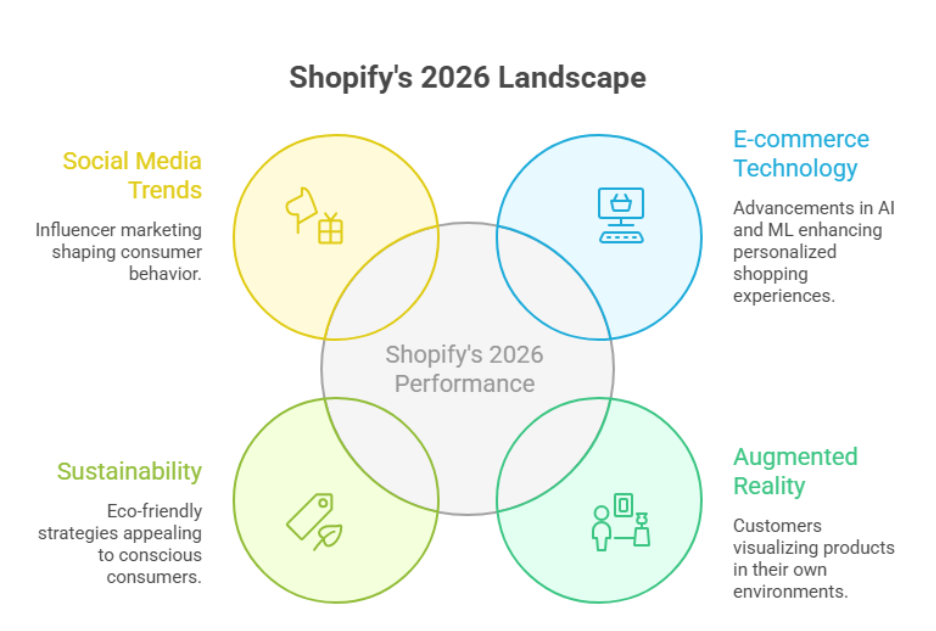
Optimizing your Shopify store is essential to increase purchase rate, average order value (AOV), and overall store’s performance in 2026. As shopper behavior evolves, brands must adopt AI-powered tools, mobile-first strategies, and targeted conversion rate optimization (CRO) techniques to drive higher conversions. By combining speed, usability, and analytics, you can create a seamless shopping experience that removes friction and boosts shopify traffic.
Prioritize Shopify Speed Optimization
Site speed is one of the most critical factors affecting conversions, especially on mobile. Implement cache strategies, compress images, and optimize theme code to improve LCP and reduce loading times. Fast mobile performance enhances mobile UX, encouraging visitors to add-to-cart and complete purchases efficiently.
Implement AI-Powered CRO Tools
AI tools and LLMs can analyze customer behavior and suggest improvements for CTAs, product pages, and checkout flows. Leveraging AI-powered personalization increases engagement, boosts average order value, and ensures your store’s performance matters more in 2026.
Optimize User Experience and Checkout
A mobile-first design, simplified navigation, and privacy policy transparency remove friction and build trust. Clear CTAs, optimized add-to-cart flows, and seamless checkout processes improve purchase rate and higher conversions. Regular shopify analytics review, SEO audits, and faqs integration help you track performance and adapt strategies.
Use a Checklist for 2026
Maintain a checklist for 2026 covering shopify speed optimization, CRO, SEO, mobile UX, CTAs, and AI-powered personalization. Consistently reviewing this checklist ensures your store’s performance stays competitive and drives measurable growth.
AI-Powered Shopify Tools Improve Speed And Checkout
Step 1: Enhance Site Speed
The first step is to focus on improving load times across your Shopify store using AI-powered tools. By automatically implementing image compression and lazy loading, pages become lighter and faster. Optimizing tap targets for mobile devices ensures that users can interact smoothly without frustration. Faster pages create a frictionless experience, reduce cart abandonment, and improve search visibility, keeping visitors engaged and more likely to complete purchases.
Step 2: Personalize Checkout and Recommendations
Next, use AI tools to streamline your checkout flow and personalize product suggestions. By analyzing customer behavior, the system can retarget visitors with relevant products and promotions tailored to their preferences. Focusing on high-intent users at this stage helps influence purchase decisions and increases average order value. This personalized approach also contributes to building trust, as shoppers feel the store understands their needs.
Step 3: Leverage Data Analysis for Continuous Improvement
Finally, continuously monitor your Shopify store using AI-driven data analysis. Examine checkout flow performance, track where users drop off, and identify friction points. By regularly refining product recommendations, cart experiences, and page layouts, you maintain a frictionless, highly optimized Shopify store that maximizes store performance, conversions, and customer satisfaction.
Conclusion
The performance of your Shopify store in 2026 depends on a combination of site speed, seamless checkout flow, AI-powered optimization, and strategic conversion rate optimization (CRO). By focusing on mobile-first design, personalized recommendations, and continuous data analysis, you can enhance purchase decisions, reduce cart abandonment, and increase average order value. Leveraging AI tools to streamline checkout, optimize product pages, and personalize high-intent experiences not only builds trust but also ensures your store’s performance remains competitive.
Regularly reviewing your checklist for 2026, implementing speed enhancements, and monitoring analytics allows you to maintain a frictionless, engaging shopping experience that meets evolving shopper expectations. Investing in professional development and ongoing support ensures measurable ROI while strengthening long-term customer relationships.
If you want a Shopify store that truly maximizes conversions and stays ahead in 2026, why not contact Integriti Studio and see how your store can outperform competitors?
Frequently Asked Questions (Factors That Will Influence Shopify Store Performance In 2026 )
How to increase Shopify store performance?
To increase Shopify store performance, optimize images, use a fast and responsive theme, and minimize apps. Enable caching, lazy loading, and CDN services. Regularly review analytics, streamline checkout, improve SEO, and monitor site speed to enhance user experience, reduce bounce rates, and boost conversions.
What are the performance issues with Shopify?
Common Shopify performance issues include slow loading due to unoptimized images, excessive apps, or heavy themes. Other problems are slow checkout, server response delays, poor mobile optimization, and large scripts or third-party integrations. These can hurt user experience, SEO, and overall conversion rates.
Which of the following is an important factor in optimizing your Shopify dropshipping store for SEO?
An important factor in optimizing a Shopify dropshipping store for SEO is using relevant keywords in product titles, descriptions, and meta tags. optimizing site speed, creating unique content, improving mobile usability, and building high-quality backlinks all help increase visibility and search engine rankings.
How to make your Shopify store successful?
To make your Shopify store successful, focus on high-quality products, clear branding, and a user-friendly design. Optimize for SEO and speed, run targeted marketing campaigns, offer excellent customer service, and use analytics to improve strategies. Consistency, trust-building, and engaging content drive sales and growth.